Psychological warfare during the Cold War
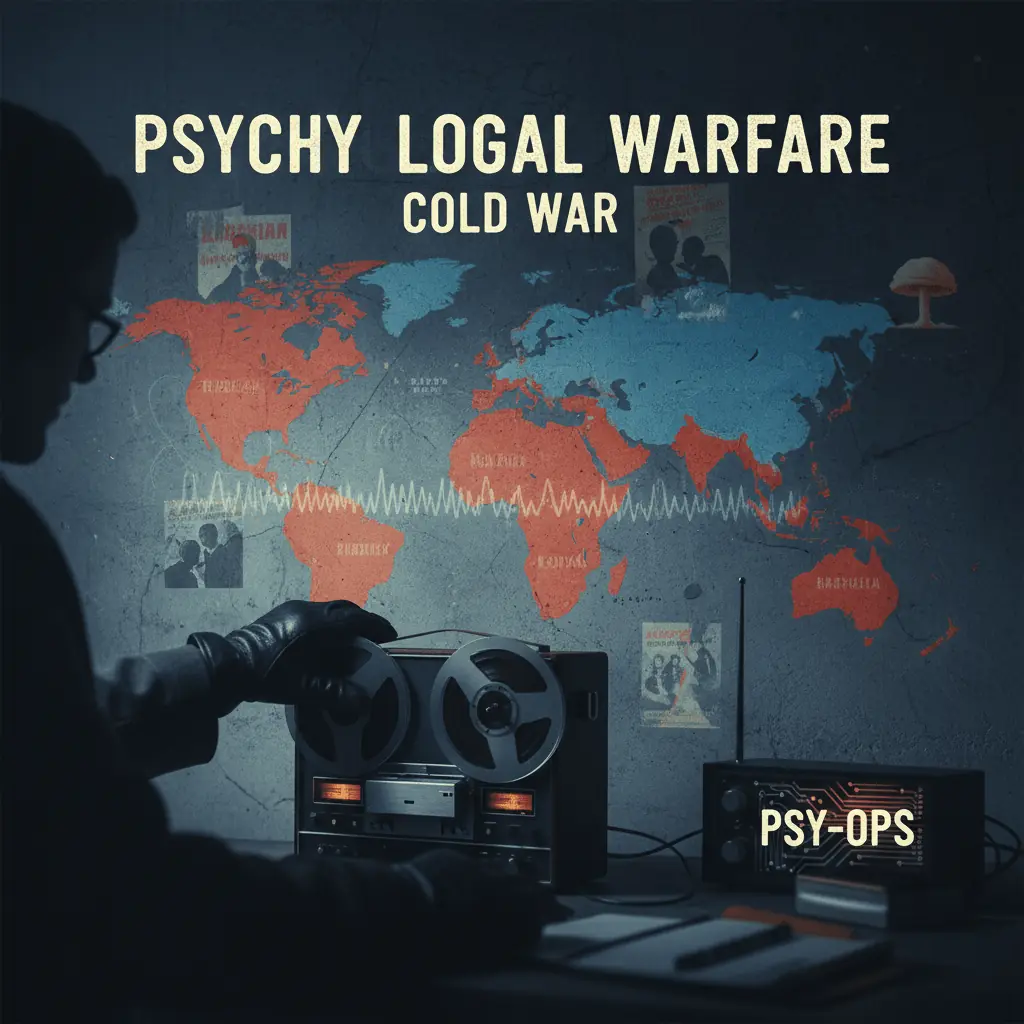
The Cold War turned psychological operations into a permanent part of military and foreign policy. Their reach was large; their proven strategic impact was much smaller than often claimed.
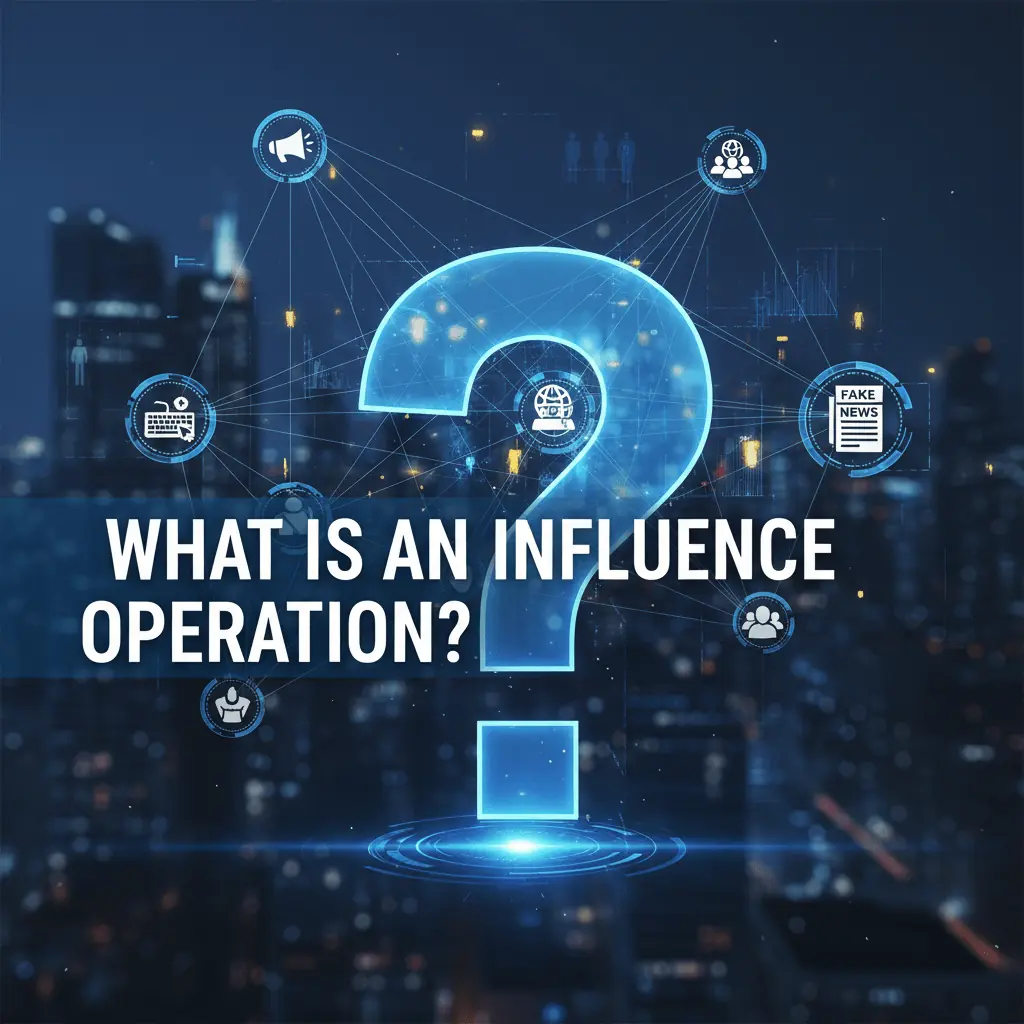
What separates an influence operation from ordinary persuasion is deception about who is speaking, why, or how. Its main effects are agenda-setting and polarization, rather than changing individual minds.
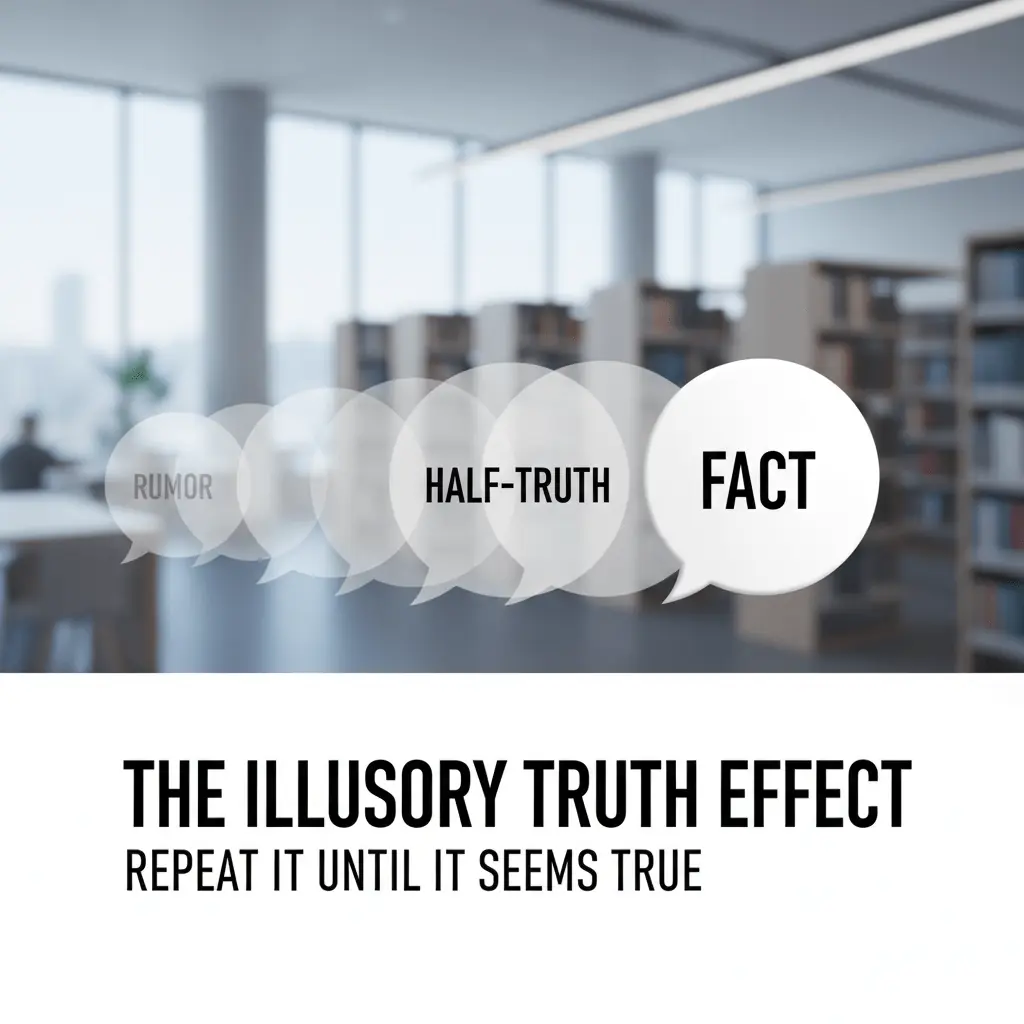
Repetition makes claims feel true regardless of whether they are. Influence operations exploit this systematically, and countering them means disrupting repetition cycles, not just correcting individual claims.
Phishing works because it targets human cognition, which cannot be patched like software. Modern campaigns follow a structured, research-driven process, and defenses must stop depending on a single person's judgment.
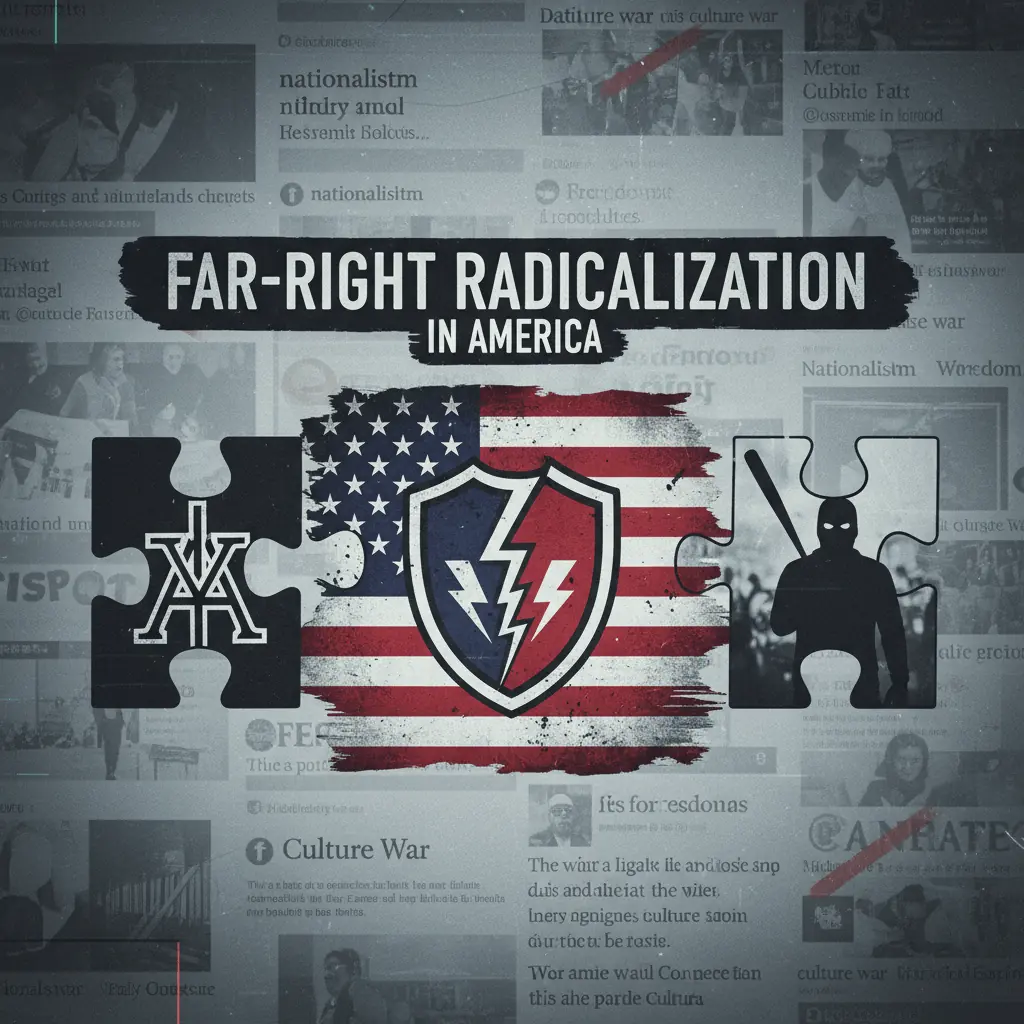
Far-right radicalization in the United States is less a story of individual breakdown than of pathways built through platforms, communities and political rhetoric. Foreign actors amplify those pathways rather than creating them.
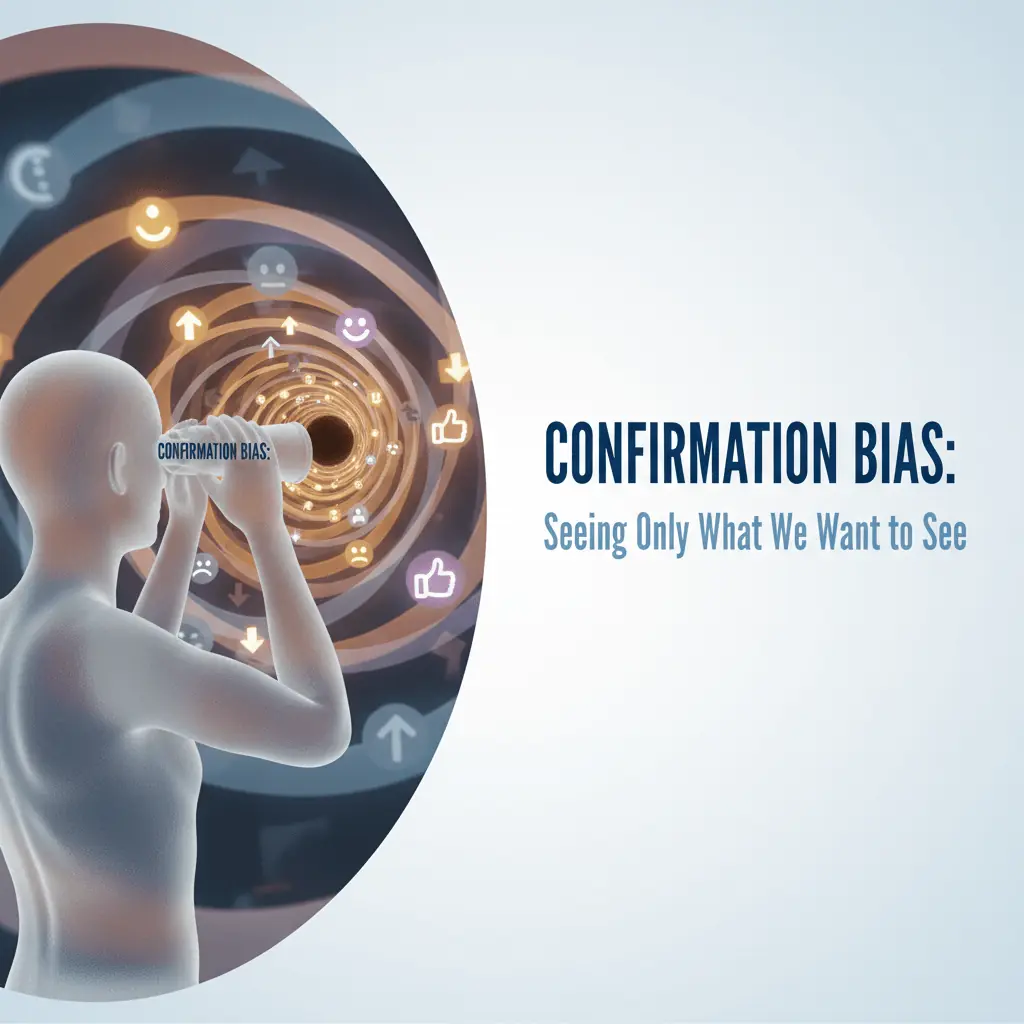
Confirmation bias is not a flaw that education can remove; it is a feature of how we reason. What has changed is that adversaries can now target it precisely, at population scale.
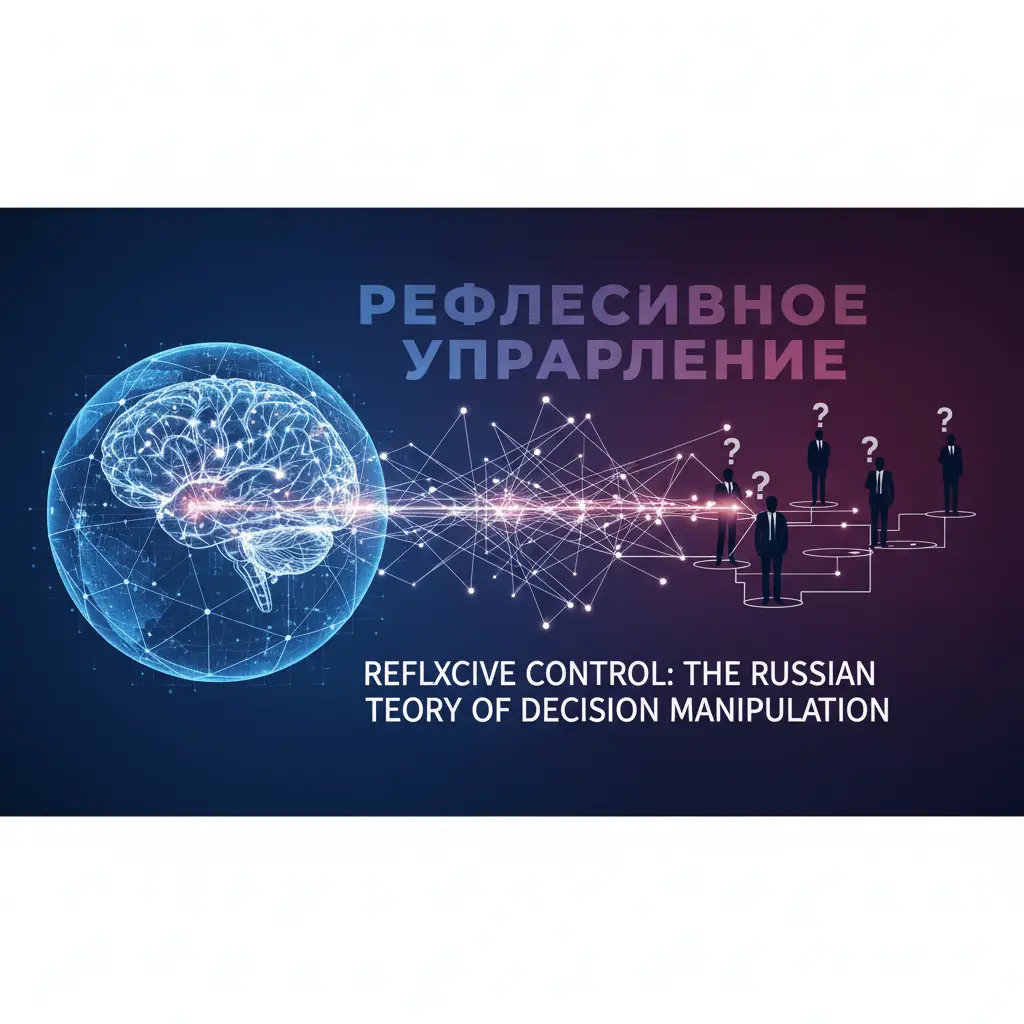
Reflexive control aims not to persuade an adversary but to feed it information that leads it to choose, apparently freely, what its opponent wants. It is a Soviet-era theory that still shapes Russian strategy.
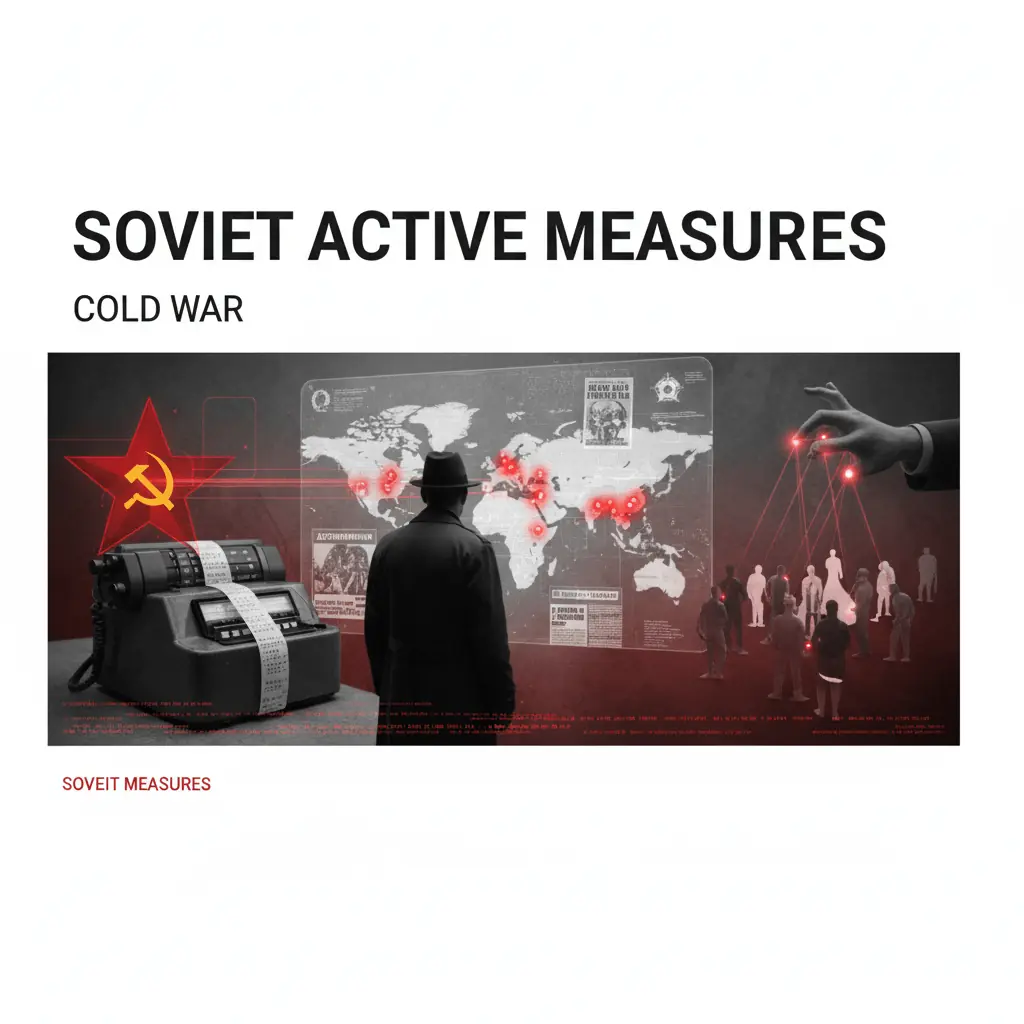
Soviet active measures were not just propaganda but a covert influence doctrine built on deniability, forgeries and long-term source cultivation. They anticipated much of today's hybrid toolkit and faced the same limits.
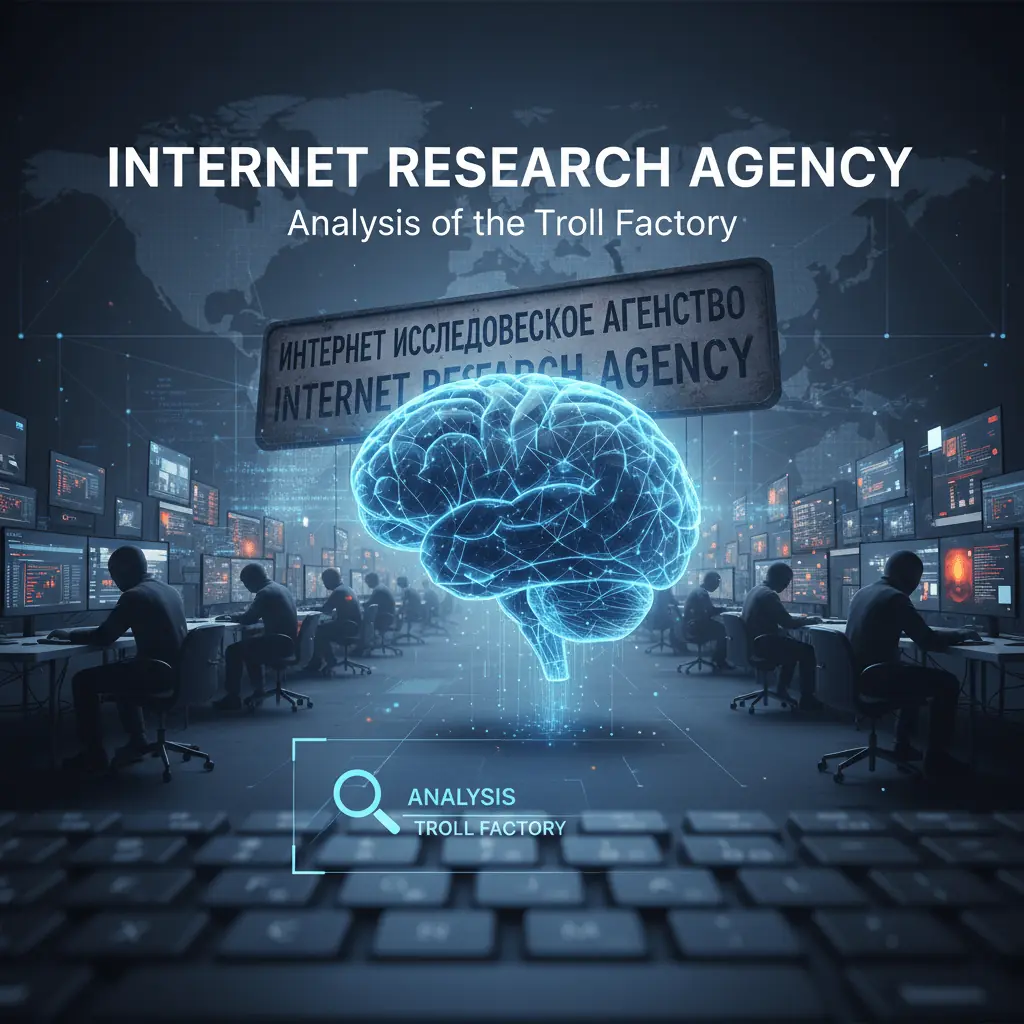
The Internet Research Agency was an industrial-scale, state-linked operation whose strategic aim was to erode trust in democratic institutions and deepen social fragmentation. Elections were opportunities within that longer campaign, not its goal.