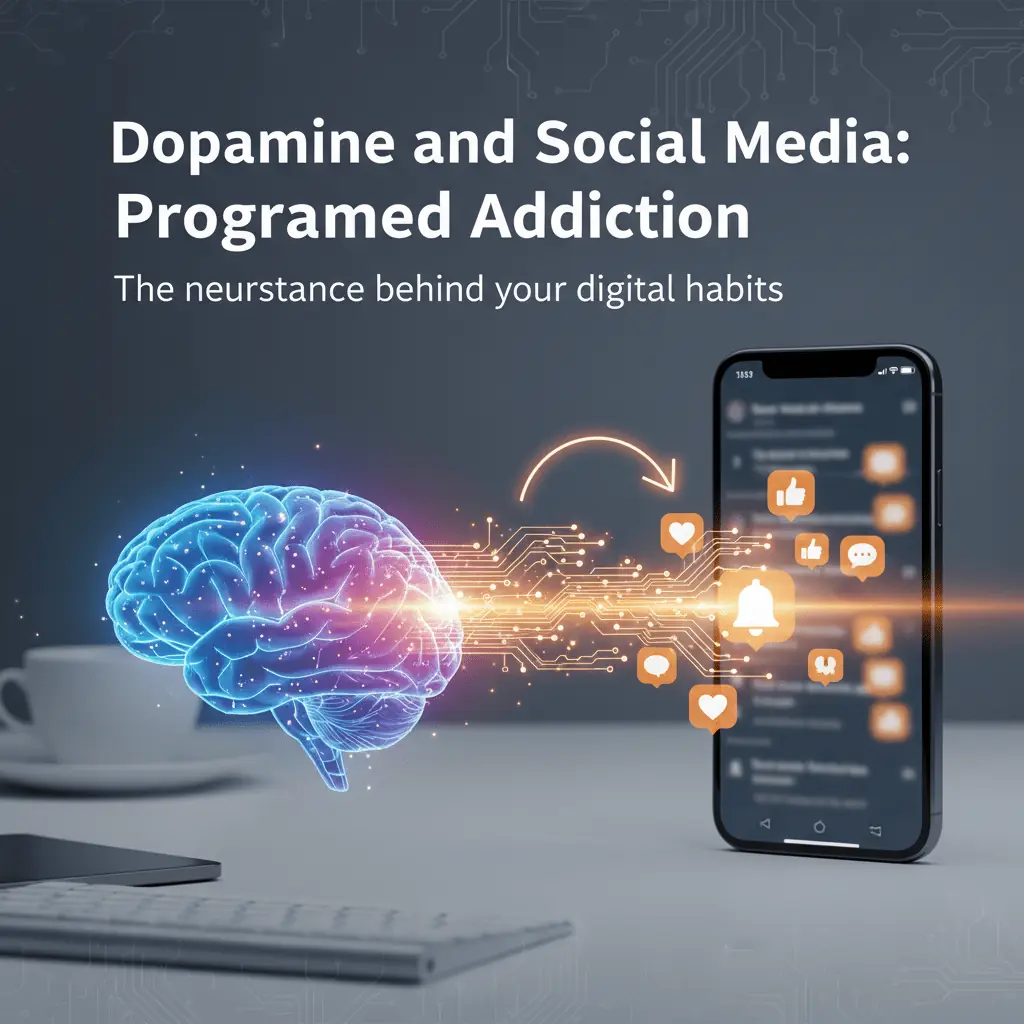
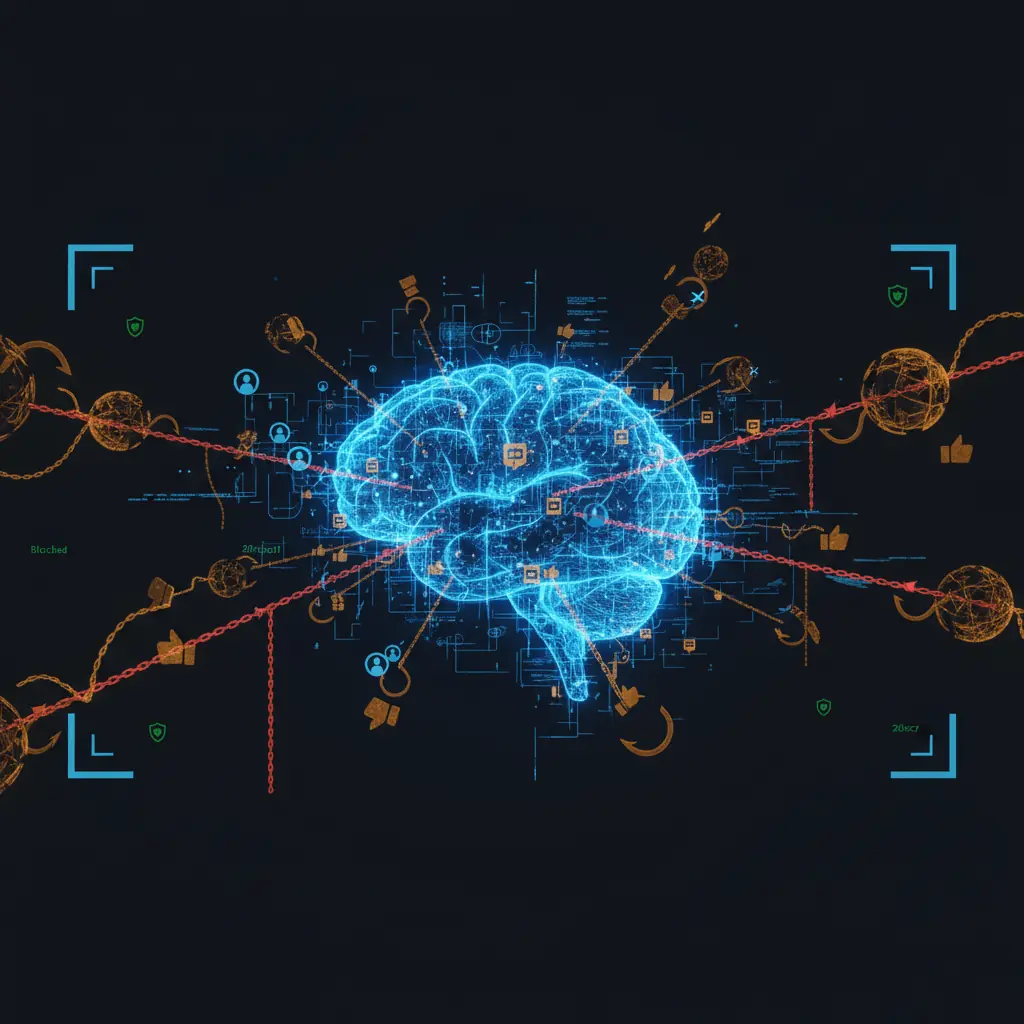
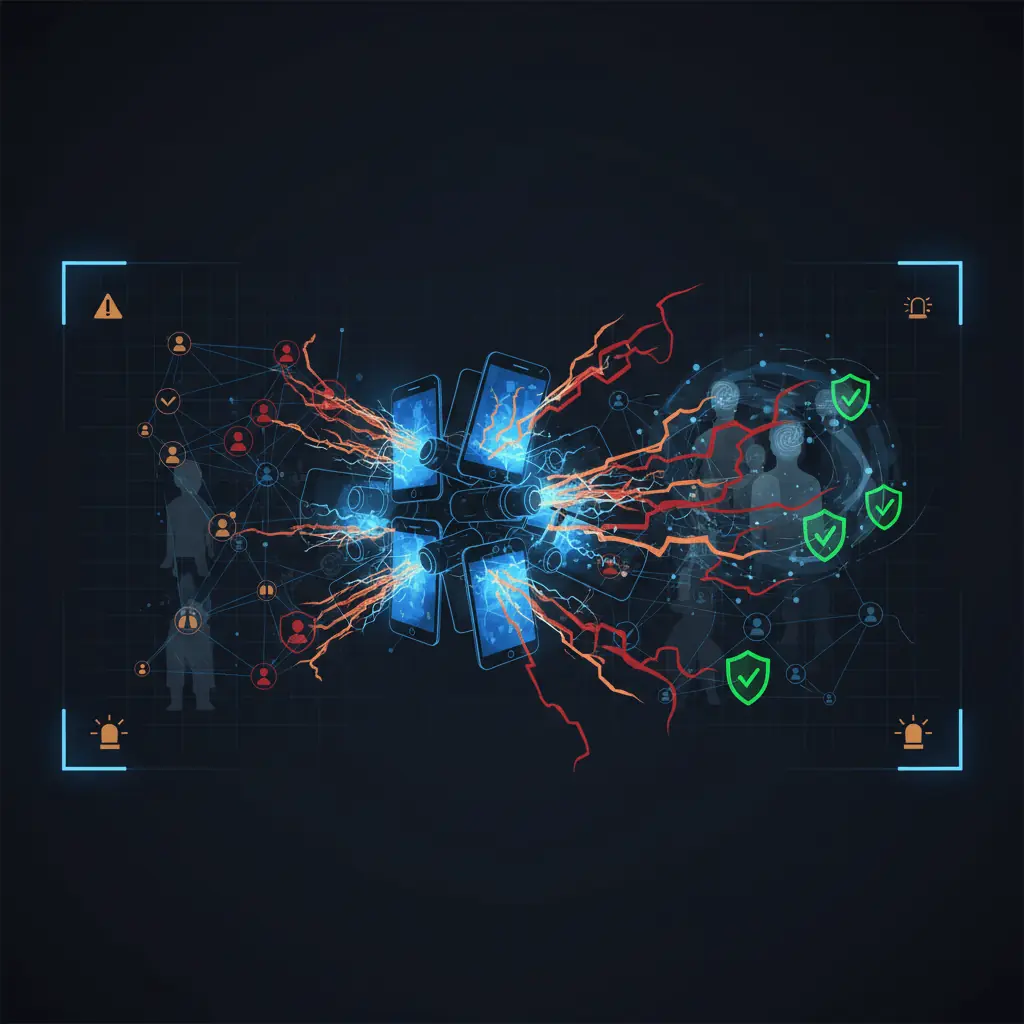
In the 21st century, social media is no longer just a space for connection, entertainment, or commerce. It has become a primary theater of cognitive warfare — a domain where state and non-state actors wage war not on bodies, but on minds. Social media manipulation is the strategic use of digital platforms to deceive, polarize, destabilize, and control populations. From coordinated inauthentic behavior to algorithmic amplification of divisive content, adversaries exploit the very architecture of social networks to achieve political, military, and psychological objectives without firing a single shot.
Understanding social media manipulation is no longer optional for defense professionals, policymakers, or informed citizens. It is a national security imperative.
What Is Social Media Manipulation?
Social media manipulation refers to the deliberate, coordinated use of social media platforms to influence public opinion, disrupt social cohesion, interfere with elections, undermine trust in institutions, or support military and geopolitical objectives. Unlike traditional propaganda, which was broadcast from state-controlled media, social media manipulation is decentralized, deniable, and highly adaptive.
Key characteristics include:
Covert or deceptive origins: The true source of the influence is hidden, often behind fake accounts, bots, or front organizations.
Scalability: Algorithms allow manipulative content to reach millions instantly.
Targeting: Adversaries can micro-target specific demographics, regions, or psychological profiles.
Deniability: State actors can plausibly claim that manipulated content originated from “independent” or “non-state” sources.
Exploitation of platform features: Manipulators weaponize likes, shares, comments, and algorithmic recommendations.
In military and defense contexts, social media manipulation is a component of cognitive warfare — the battle for how populations perceive threats, trust their leaders, and support strategic objectives.
The Core Tactics of Social Media Manipulation
1. Coordinated Inauthentic Behavior (CIB)
CIB involves networks of fake accounts, compromised accounts, or groups working together to deceive users about their identity or purpose. These networks:
Amplify specific narratives
Harass and silence dissenting voices
Manufacture fake grassroots movements (astroturfing)
Inflate engagement metrics to manipulate algorithms
Example: A state-backed troll farm creates hundreds of fake personas that comment on news articles, share propaganda, and attack journalists, creating the illusion of widespread consensus.
2. Computational Propaganda
Computational propaganda uses algorithms, automation, and data analytics to distribute persuasive messages at scale. This includes:
Bot networks (automated accounts) that like, share, and retweet content to amplify reach
Cyborg accounts (human-automated hybrids) that mix automated posting with human activity to appear authentic
Algorithmic exploitation to trick recommendation engines into promoting divisive content
Example: During an election, bots flood the platform with hashtags supporting one candidate while simultaneously creating “trending” negative hashtags about opponents.
3. Disinformation and Misinformation
In military cognitive warfare, disinformation targets specific vulnerabilities: ethnic tensions, historical grievances, economic anxieties, or institutional distrust.
Example: A hostile state spreads false reports of troop movements or civilian casualties to undermine domestic support for a military operation.
4. Deepfakes and Synthetic Media
Deepfakes — AI-generated or manipulated video, audio, or images — represent the next generation of social media manipulation. A convincingly fake video of a military commander issuing illegal orders or a political leader making inflammatory remarks could trigger real-world crises before verification is possible.
Defense implication: Deepfakes can be used to fabricate evidence of war crimes, create false flag operations, or sow confusion during critical decision-making windows.
5. Information Laundering
Information laundering involves taking disinformation from obscure or disreputable sources (e.g., state media, fringe websites) and repackaging it through seemingly legitimate intermediaries — fake news sites, “independent” researchers, or unwitting journalists — until it enters the mainstream information ecosystem.
Example: A fabricated story appears on a state-controlled website, is amplified by bots and fake accounts, then picked up by a real journalist who mistakenly treats it as “controversial but reported,” and finally enters legitimate discourse as “something people are talking about.”
6. Psychological Targeting (Microtargeting)
Using data harvested from social media (likes, shares, location, browsing history), manipulators build detailed psychological profiles of individuals or groups. They then deliver tailored content designed to exploit specific emotional vulnerabilities: fear, anger, hope, or tribalism.
Example: A separatist group identifies individuals who have shown mild interest in regional autonomy and serves them increasingly radical content, moving them from passive sympathy to active support.
How Social Media Manipulation Supports Military and Geopolitical Objectives
From a defense perspective, social media manipulation is a force multiplier. Adversaries use it to:
Case Study: The Weaponization of Social Media
Academic and classified analyses have documented numerous state-sponsored social media manipulation campaigns. Common patterns include:
Fake infrastructure: Thousands of fake accounts with fabricated biographies, profile photos (often stolen or AI-generated), and posting histories that develop over months to appear authentic.
Phased operations: Initial seeding of narratives in fringe spaces, followed by bot amplification, then engagement with real users, and finally mainstream media pickup.
Exploitation of algorithmic vulnerabilities: Manipulators test content variations to see which triggers algorithmic promotion, then optimize for reach rather than truth.
Hybrid human-bot networks: Bots amplify human-posted content, creating the appearance of organic popularity that attracts real human engagement.
Detecting Social Media Manipulation: Defensive Measures
For military, intelligence, and defense professionals, detection is the first line of defense.
Technical Indicators
Account age and activity: Recently created accounts with high volume of posting
Content similarity: Identical or near-identical messages across many accounts
Timing patterns: Coordinated posting at unusual hours or in synchronized bursts
Network analysis: Unnatural clustering of accounts that interact primarily with each other
Image forensics: Detecting AI-generated faces, metadata manipulation, or deepfake artifacts
Behavioral Indicators
Emotional content: Manipulation often aims for high-arousal emotions (anger, fear, outrage)
Simplistic narratives: Complex events reduced to “us vs. them” framings
Rapid narrative shifts: Coordinated changes in talking points across multiple accounts
Isolation of targets: Manipulated users are often discouraged from seeking external information
Countermeasures: Defending Against Social Media Manipulation
Pre-bunking (Inoculation Theory)
Instead of debunking false information after it spreads, pre-bunking exposes people to weakened versions of manipulation tactics, building cognitive immunity. For example, showing users examples of common disinformation techniques (emotional language, false experts, conspiracy theories) helps them recognize those patterns later.
Platform-Level Interventions
Authentication requirements: Reducing anonymous and automated accounts
Transparency labels: Disclosing political advertising and state-affiliated media
Algorithmic adjustments: Reducing amplification of unverifiable or high-risk content
Cross-platform information sharing: Intelligence sharing among platforms about coordinated manipulation campaigns
Societal Resilience
Media literacy education: Teaching citizens how to verify sources, check images, and recognize manipulation tactics
Independent fact-checking networks: Rapid response to emerging disinformation
Trusted messenger networks: Pre-identified credible sources who can provide authoritative counter-narratives during crises
Military and Government Capabilities
Cognitive warfare defense units: Dedicated teams monitoring, analyzing, and countering manipulation in real time
Red teaming: Simulated manipulation campaigns to test organizational and societal vulnerabilities
Strategic communications: Proactive, truthful, and rapid messaging to fill information voids before adversaries exploit them
Conclusion
Social media manipulation is not a peripheral concern for cybersecurity or public relations. It is a central component of modern cognitive warfare. Adversaries have learned that influencing what a population believes is often cheaper, safer, and more effective than destroying what it possesses. Fake accounts, bot networks, deepfakes, and algorithmic exploitation are the weapons of this new domain.
For defense professionals, understanding these tactics is the first step toward developing effective countermeasures. For citizens in democratic societies, awareness is the foundation of resilience. The battle for truth is no longer fought in newspapers and broadcast studios. It is fought in news feeds, timelines, and recommendation algorithms — and the first line of defense is knowing that the battle exists.