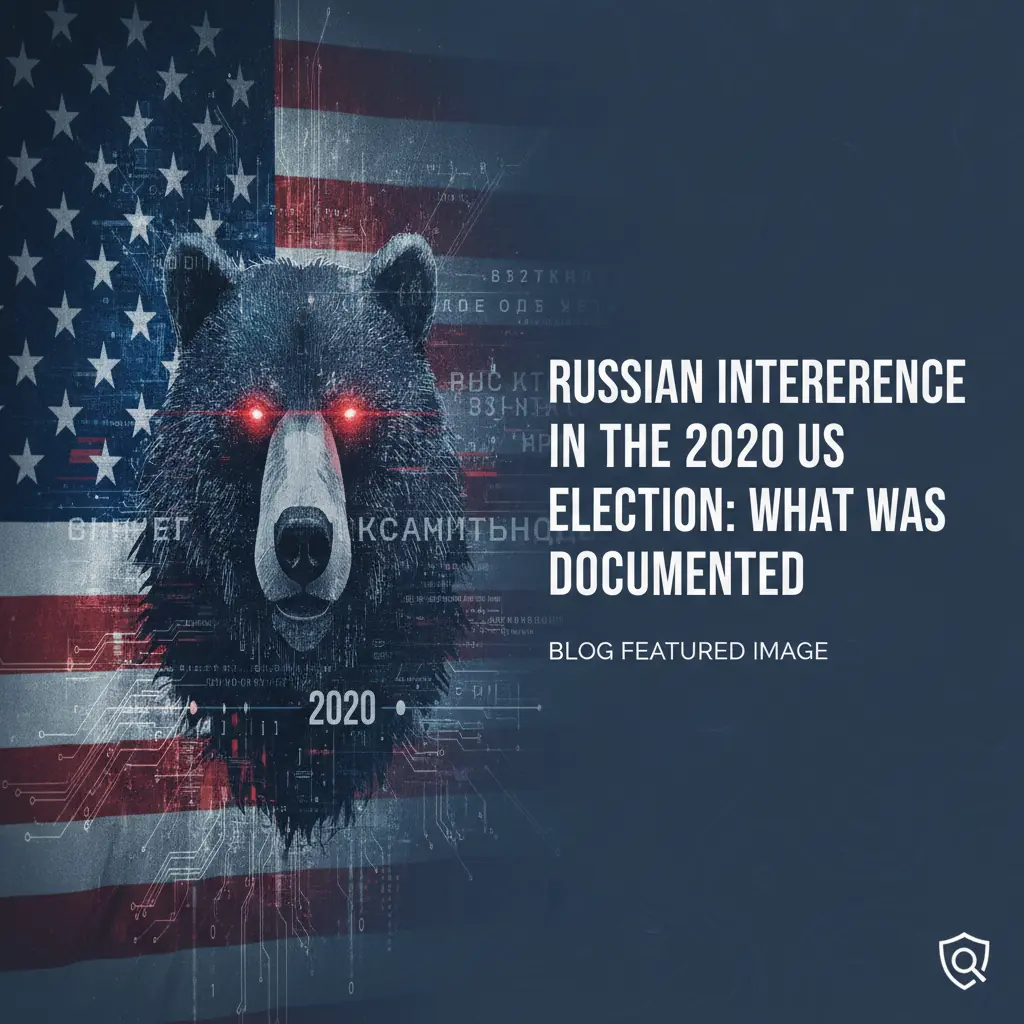
In August 2020, the Office of the Director of National Intelligence released a public threat assessment warning that Russia was actively working to "denigrate" Democratic presidential candidate Joe Biden while amplifying narratives favorable to…
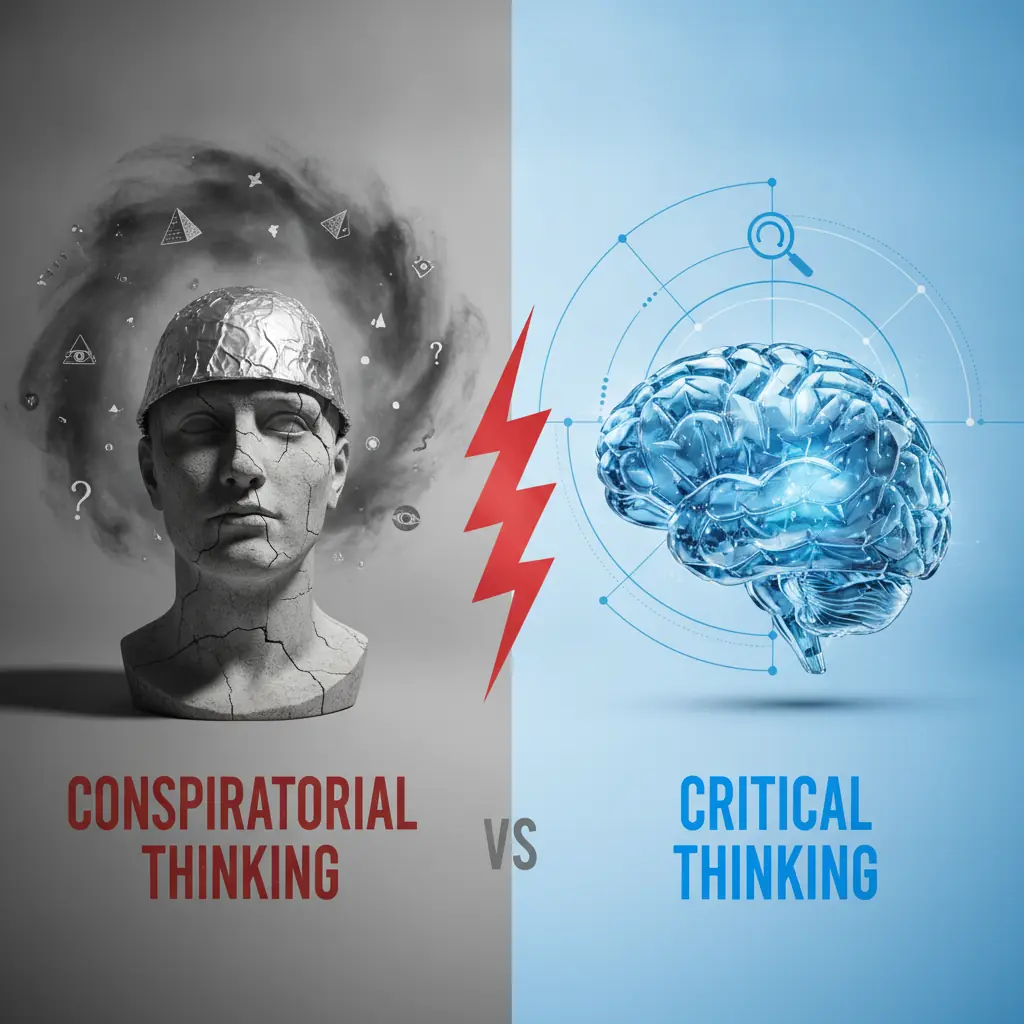
Conspiratorial and critical thinking both begin with doubt. They differ in what they do with it, and that gap is terrain state actors exploit and platforms widen.
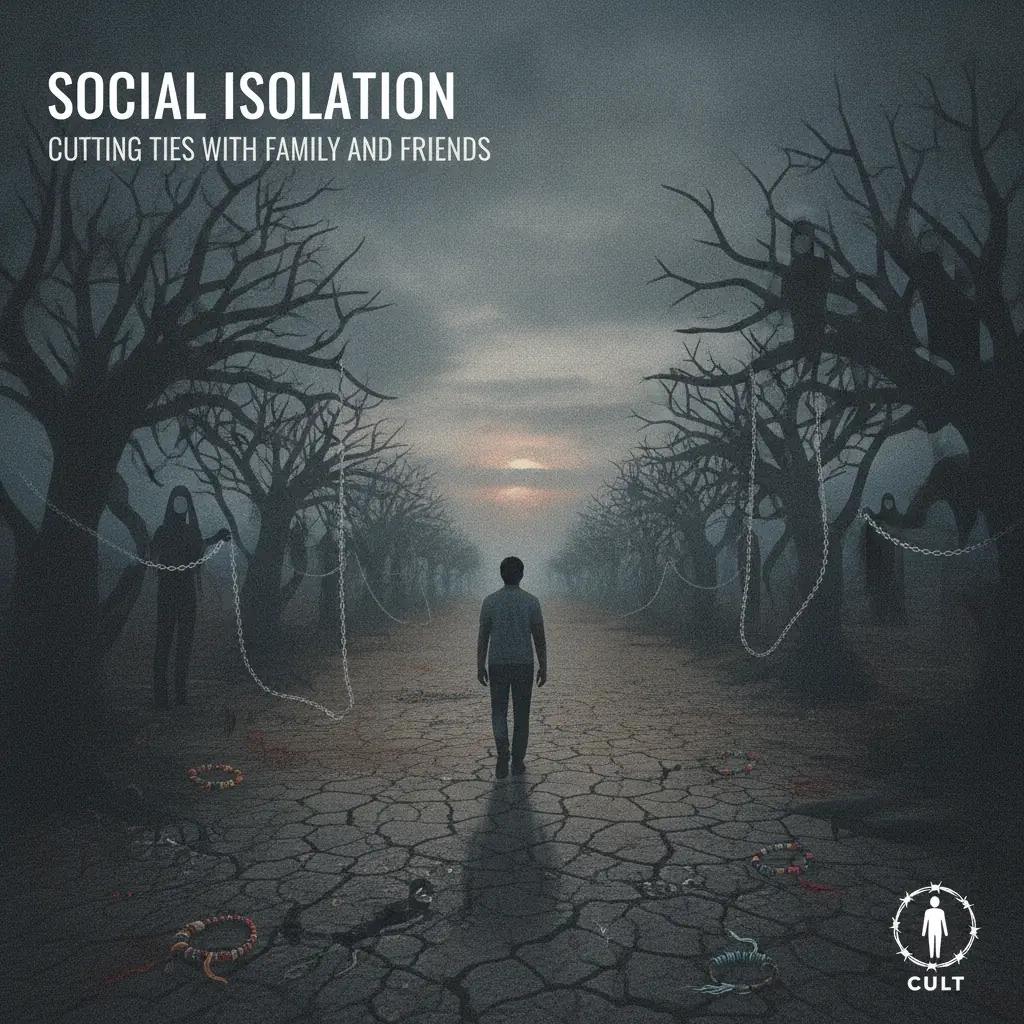
Isolation is not a side effect of extreme belief but an engineered mechanism. Its playbook now appears in online radicalization and state influence operations, and the tools to undo it lag behind.
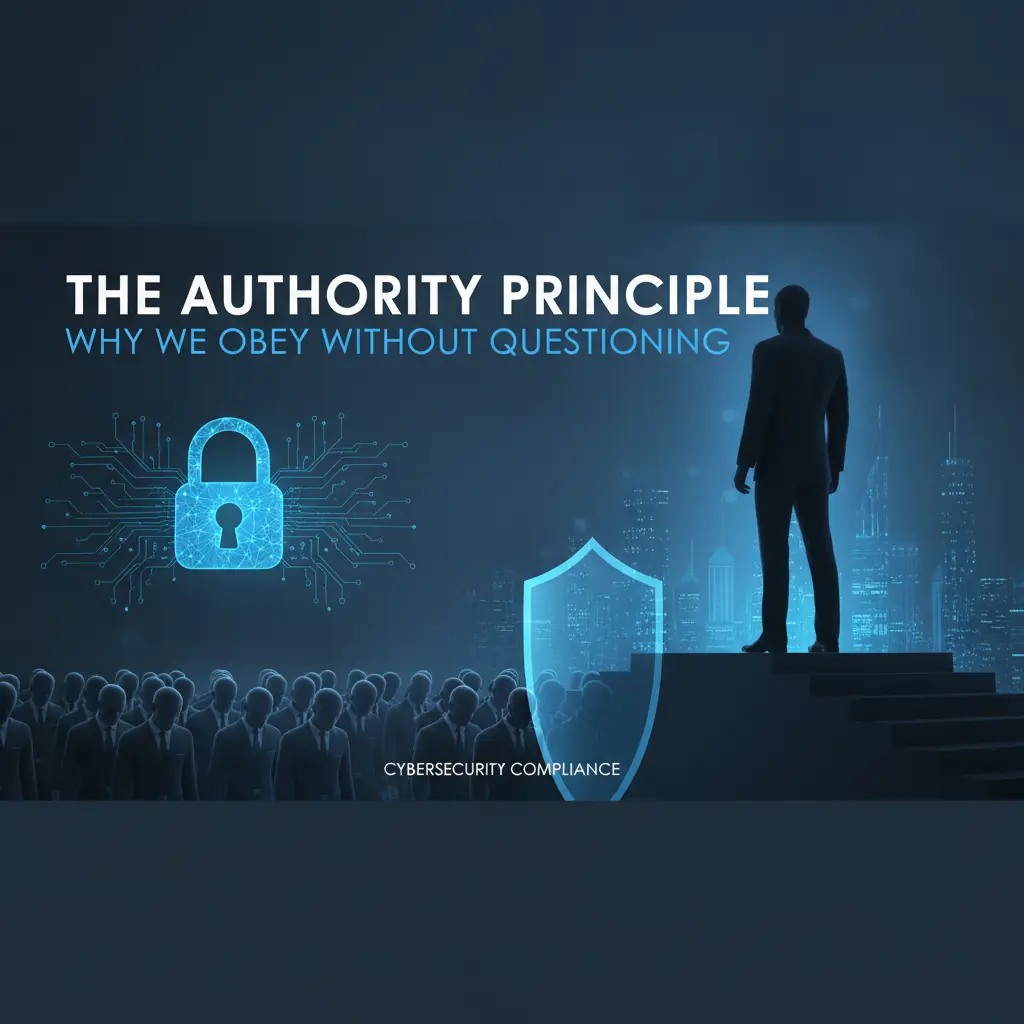
Authority impersonation succeeds because it exploits fast, automatic processing that awareness training does not reach. It is a design problem for organizations, not a failing of individual employees.
Information literacy is a strategic defense against influence operations, and it is underperforming. The concept is sound; the problem is getting specialist methods into everyday information environments.
Filter bubbles are a predictable product of engagement-optimized design, not an accident. The danger is less that they destroy democratic discourse than that they create information asymmetries adversaries can target.