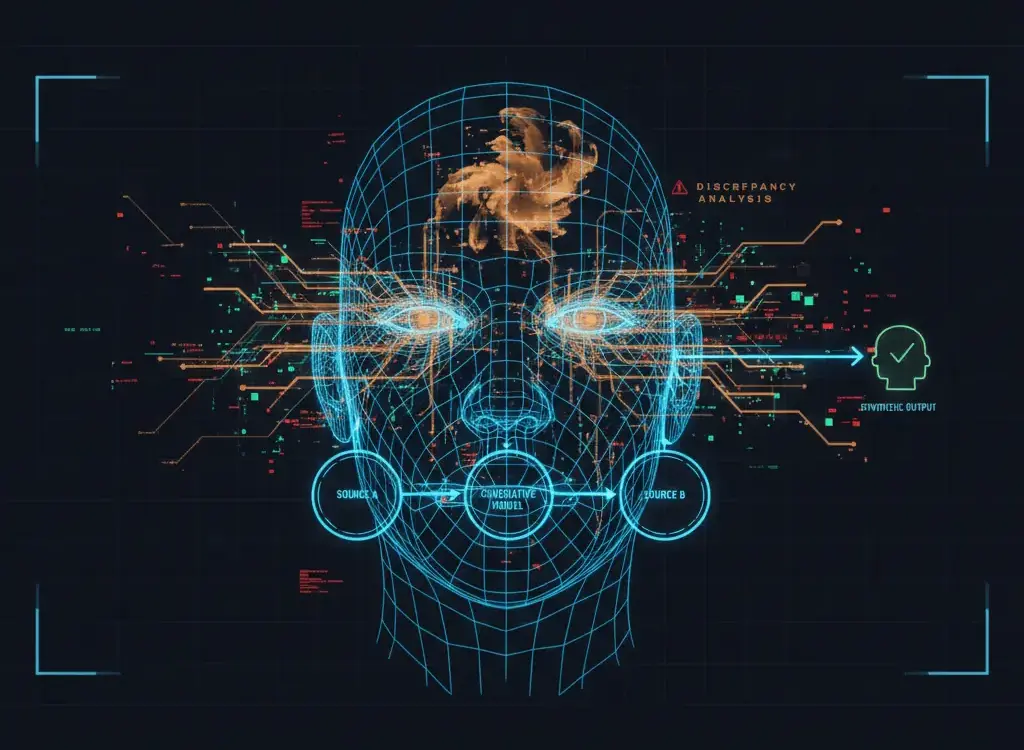
In February 2023, a sophisticated deepfake video depicting Ukrainian President Volodymyr Zelensky surrendering to Russian forces circulated across social media platforms for several hours before detection and removal. While the technical quality remained relatively poor by commercial standards, the incident illuminated how deepfakes made their transition from experimental technology to operational tool within state-sponsored influence campaigns. This case exemplifies the broader integration of synthetic media into what NATO’s Strategic Communications Centre of Excellence terms «cognitive warfare» — operations designed to alter perceptions and decision-making processes at individual and collective levels.
The strategic significance extends beyond isolated incidents of misinformation. Western intelligence assessments indicate that state actors, particularly those operating within what the Five Eyes alliance identifies as persistent engagement frameworks, have systematically incorporated deepfake capabilities into their information operations doctrine. This analysis examines how synthetic media technologies have evolved from proof-of-concept demonstrations to integrated components of cognitive warfare architectures, with particular attention to their deployment patterns, detection challenges, and implications for Western defensive frameworks.
How deepfakes made the transition from entertainment to warfare applications
Technical democratization and accessibility thresholds
The pathway from academic research to operational deployment reflects broader trends in dual-use technology proliferation. Initial deepfake development, originating from Ian Goodfellow’s 2014 generative adversarial network (GAN) research, required substantial computational resources and technical expertise. By 2019, consumer-grade applications like FakeApp and DeepFaceLab had lowered barriers to entry significantly, enabling non-technical users to produce synthetic media with minimal training.
Current accessibility metrics indicate a fundamental shift in operational feasibility. According to RAND Corporation analysis, the computational requirements for generating convincing synthetic video content decreased by approximately 70% between 2020 and 2023, while processing time for equivalent quality output improved by similar margins. This democratization parallels historical patterns observed in other dual-use technologies, from encryption tools to social media manipulation platforms.
State actor adoption and capability development
Open-source intelligence suggests systematic integration of synthetic media capabilities within state-sponsored information operations units. The GRU’s Unit 26165, previously associated with the 2016 election interference operations, reportedly established dedicated synthetic media production capabilities by 2021. Similarly, analysis by the Atlantic Council’s Digital Forensic Research Lab identifies Chinese state-affiliated actors experimenting with deepfake content in Taiwan-focused influence campaigns.
Western assessments indicate these capabilities remain largely experimental rather than operationally mature. The Zelensky deepfake incident, while tactically unsuccessful, demonstrated both technical limitations and strategic intent. Quality indicators suggested production timelines inconsistent with real-time response operations, indicating pre-positioned content rather than dynamic generation capabilities.
Integration with existing information operations frameworks
Deepfake deployment patterns align with established doctrine for what Russian military theorists term «reflexive control» — influencing adversary decision-making through strategic deception. Rather than standalone operations, synthetic media increasingly appears as a component within broader campaign architectures that include coordinated inauthentic behavior, amplification networks, and traditional propaganda channels.
NATO’s Cognitive Warfare concept acknowledges this integrated approach, recognizing that synthetic media effectiveness depends less on technical sophistication than on strategic positioning within information environments already primed for confusion and mistrust. The European External Action Service’s EUvsDisinfo project documents cases where technically poor deepfakes achieved tactical objectives through strategic timing and amplification.
What detection capabilities reveal about defensive preparedness
Technical detection versus strategic attribution challenges
Current detection methodologies demonstrate significant technical advances alongside persistent strategic limitations. Automated detection systems, including those developed by Microsoft’s Video Authenticator and Adobe’s Content Authenticity Initiative, achieve accuracy rates exceeding 90% under controlled conditions. However, operational environments present challenges that laboratory testing cannot replicate.
The attribution gap remains more problematic than detection accuracy. While technical analysis can identify synthetic content with reasonable confidence, linking specific deepfakes to particular state or non-state actors requires intelligence capabilities beyond purely technical approaches. This limitation complicates response frameworks, particularly when considering diplomatic or economic countermeasures.
Platform response mechanisms and enforcement gaps
Social media platforms have implemented varied approaches to synthetic media governance, reflecting different risk assessments and regulatory environments. Meta’s deepfake policy prohibits synthetic content likely to mislead, while Twitter’s (now X) synthetic and manipulated media policy focuses on content that may cause harm. YouTube’s approach emphasizes context and intent rather than blanket prohibition.
Enforcement consistency remains problematic across platforms and jurisdictions. The Zelensky deepfake case highlighted response time variations: Twitter removed content within two hours, while Facebook required six hours for complete removal. TikTok’s response extended beyond eight hours, demonstrating significant operational gaps during critical information warfare windows.
International cooperation and intelligence sharing frameworks
Multilateral approaches to synthetic media threats operate through existing cyber threat intelligence sharing mechanisms. The NATO Cooperative Cyber Defence Centre of Excellence has integrated deepfake indicators into its threat assessment frameworks, while the Five Eyes alliance reportedly maintains classified databases of state-actor synthetic media signatures.
However, intelligence sharing faces structural limitations when addressing cognitive warfare applications. Unlike traditional cyber threats with clear technical indicators, synthetic media operations require contextual analysis that often involves proprietary platform data, limiting cross-border cooperation effectiveness.
Strategic implications for cognitive warfare doctrine
Threshold effects and escalation dynamics
Deepfake integration into state information operations raises questions about existing escalation frameworks. Traditional deterrence models assume clear attribution and proportional response options. Synthetic media operations, particularly those designed for plausible deniability, complicate these assumptions by creating ambiguity around both attribution and appropriate response thresholds.
The concept of «information warfare» within international law remains underdeveloped regarding synthetic media specifically. While the Tallinn Manual addresses cyber operations broadly, deepfake applications inhabit gray zones between free expression, deception, and potential armed conflict precursors. This ambiguity may encourage risk-taking behavior among state actors operating below perceived response thresholds.
Cognitive resilience and societal vulnerability assessments
Western cognitive warfare doctrine increasingly emphasizes societal resilience over purely defensive approaches. Finland’s comprehensive approach to media literacy, developed following decades of Russian information operations exposure, provides a model for building cognitive resistance to synthetic media manipulation.
However, vulnerability assessments reveal concerning trends. Edelman Trust Barometer data indicates declining trust in traditional media institutions across Western democracies, potentially increasing susceptibility to synthetic media campaigns that exploit existing credibility gaps. This «truth decay» phenomenon, as RAND researchers term it, creates favorable operating environments for deepfake-enabled influence operations.
How to assess deepfake threats within organizational security frameworks
Operational indicators and warning systems
Professional threat assessment requires systematic approaches to identifying synthetic media risks within broader information security architectures. The following indicators warrant monitoring within organizational contexts:
- Technical indicators: Unusual video compression artifacts, temporal inconsistencies in facial movements, lighting irregularities inconsistent with claimed recording conditions
- Behavioral indicators: Rapid amplification across multiple platforms, coordination patterns suggesting inauthentic engagement, timing alignment with geopolitical events
- Contextual indicators: Content that contradicts established behavioral patterns of purported speakers, claims that conveniently align with adversary strategic objectives
Integration with existing threat intelligence workflows
Synthetic media assessment requires adaptation of existing cyber threat intelligence methodologies. The MITRE ATT&CK framework’s techniques for Initial Access and Defense Evasion provide relevant models for categorizing deepfake deployment patterns. However, cognitive warfare applications require additional consideration of psychological impact assessment and narrative analysis capabilities.
Threat hunting approaches should incorporate both technical detection capabilities and strategic context analysis. This dual approach enables identification of technically sophisticated attacks that might evade automated detection while recognizing crude attempts that achieve impact through strategic positioning rather than technical excellence.
Response and mitigation protocols
Organizational response frameworks must balance rapid response requirements with accuracy verification. False positive responses to legitimate content can create secondary information warfare opportunities for adversaries. The following protocol structure addresses these competing requirements:
- Initial detection and quarantine: Automated flagging systems with human verification requirements before public response
- Technical verification: Multi-source detection analysis using both commercial and open-source tools
- Strategic assessment: Analysis of broader campaign context and attribution indicators
- Coordinated response: Platform notification, stakeholder communication, and potential law enforcement referral
Forward assessment: trajectories and strategic considerations
Current trends suggest continued integration of synthetic media capabilities into state-sponsored cognitive warfare operations, with particular acceleration expected as generation costs decrease and quality improves. However, the strategic value may plateau as detection capabilities mature and societal awareness increases.
The more concerning trajectory involves integration with other emerging technologies, particularly large language models and real-time generation capabilities. These convergent technologies may enable dynamic, responsive synthetic media operations that current detection and response frameworks are not designed to address.
Western defensive approaches require evolution beyond purely technical solutions toward comprehensive cognitive resilience strategies. This includes institutional credibility preservation, media literacy enhancement, and development of rapid response capabilities that can operate effectively in contested information environments. The window for proactive preparation is narrowing as adversary capabilities mature and operational deployment accelerates.
For security professionals and policy analysts, the deepfake challenge represents a broader test case for Western adaptability to cognitive warfare applications of emerging technologies. Success or failure in developing effective countermeasures will likely influence adversary calculations regarding future technology deployment in influence operations.
Sources
Goodfellow, I. (2014). Generative Adversarial Networks. Proceedings of the International Conference on Neural Information Processing Systems.
NATO Strategic Communications Centre of Excellence. (2021). Cognitive Warfare: An Attack on Truth and Thought. Riga: NATO StratCom COE.
Helmus, T. C., et al. (2022). Russian Social Media Influence: Understanding Russian Propaganda in Eastern Europe. RAND Corporation.
European External Action Service. (2023). EUvsDisinfo Annual Report 2022. Brussels: EEAS.
Chesney, R. & Citron, D. (2019). Deep Fakes: A Looming Challenge for Privacy, Democracy, and National Security. California Law Review, 107(6).
Atlantic Council Digital Forensic Research Lab. (2023). Synthetic Media and Information Operations: Trends and Implications. Washington, DC: Atlantic Council.