Conspiracy Theories
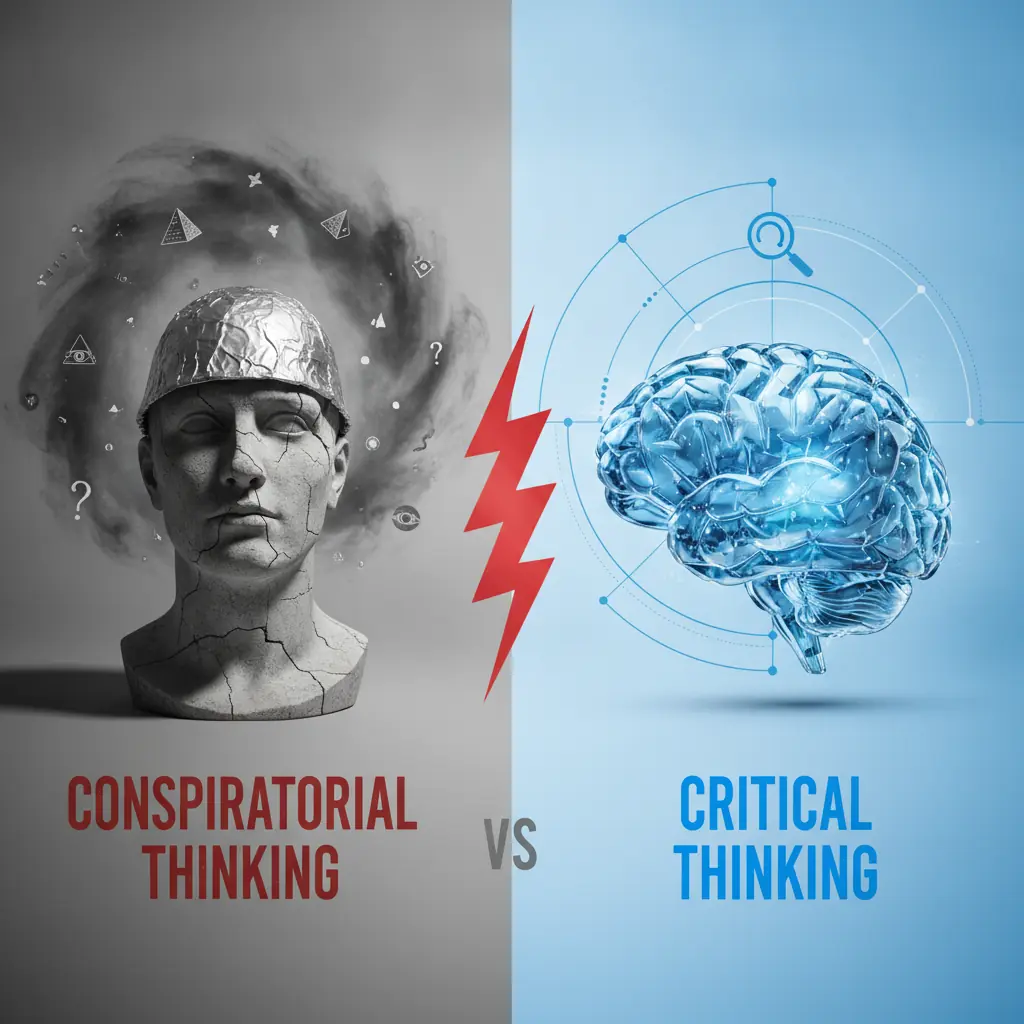
Conspiratorial thinking vs critical thinking
Conspiratorial and critical thinking both begin with doubt. They differ in what they do with it, and that gap is terrain state actors exploit and platforms widen.
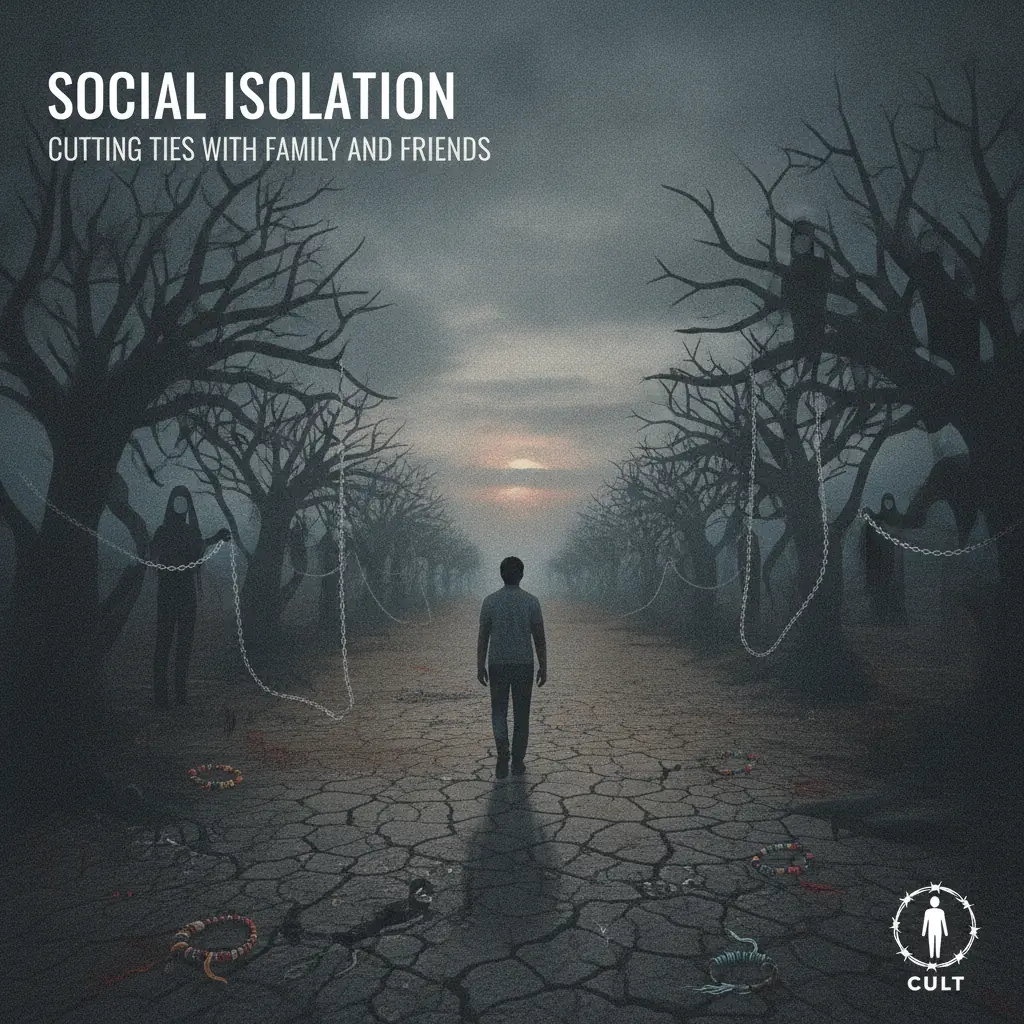
Isolation is not a side effect of extreme belief but an engineered mechanism. Its playbook now appears in online radicalization and state influence operations, and the tools to undo it lag behind.
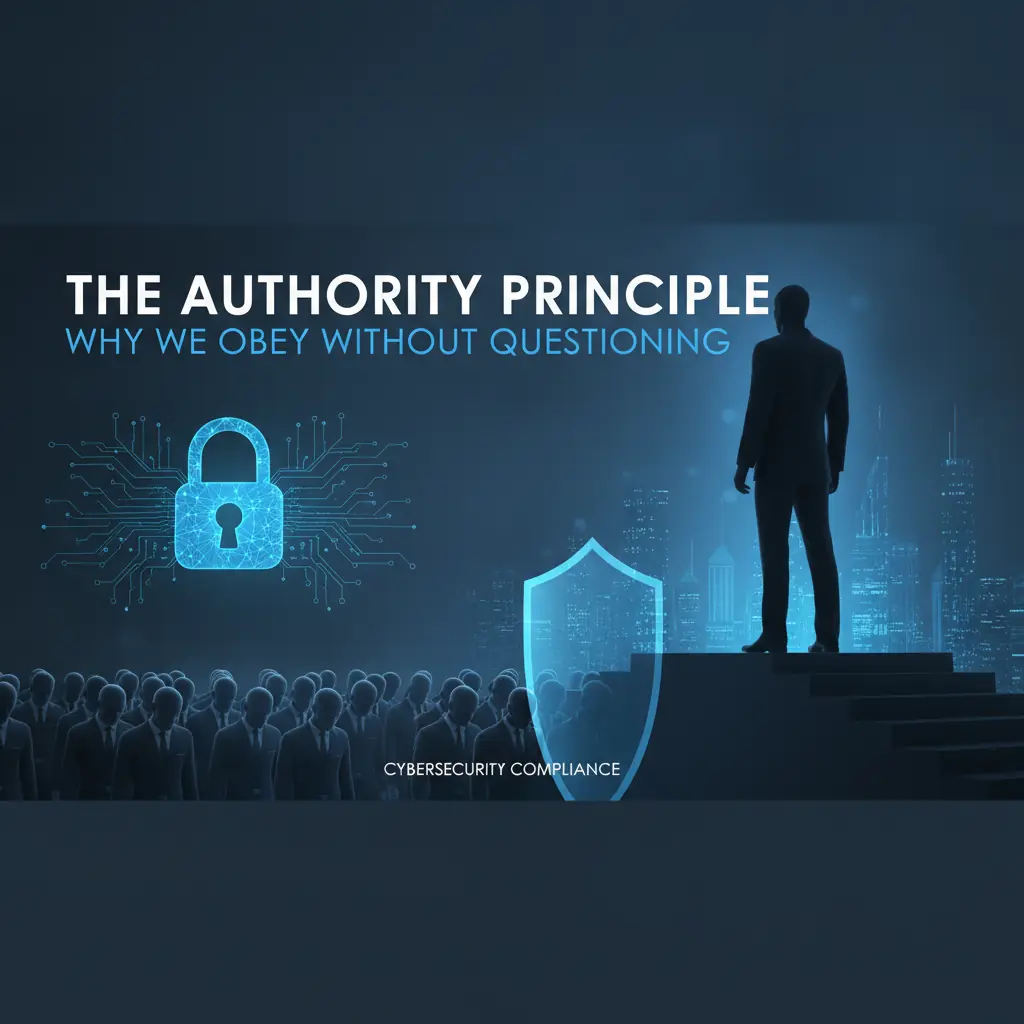
Authority impersonation succeeds because it exploits fast, automatic processing that awareness training does not reach. It is a design problem for organizations, not a failing of individual employees.
Information literacy is a strategic defense against influence operations, and it is underperforming. The concept is sound; the problem is getting specialist methods into everyday information environments.
Filter bubbles are a predictable product of engagement-optimized design, not an accident. The danger is less that they destroy democratic discourse than that they create information asymmetries adversaries can target.
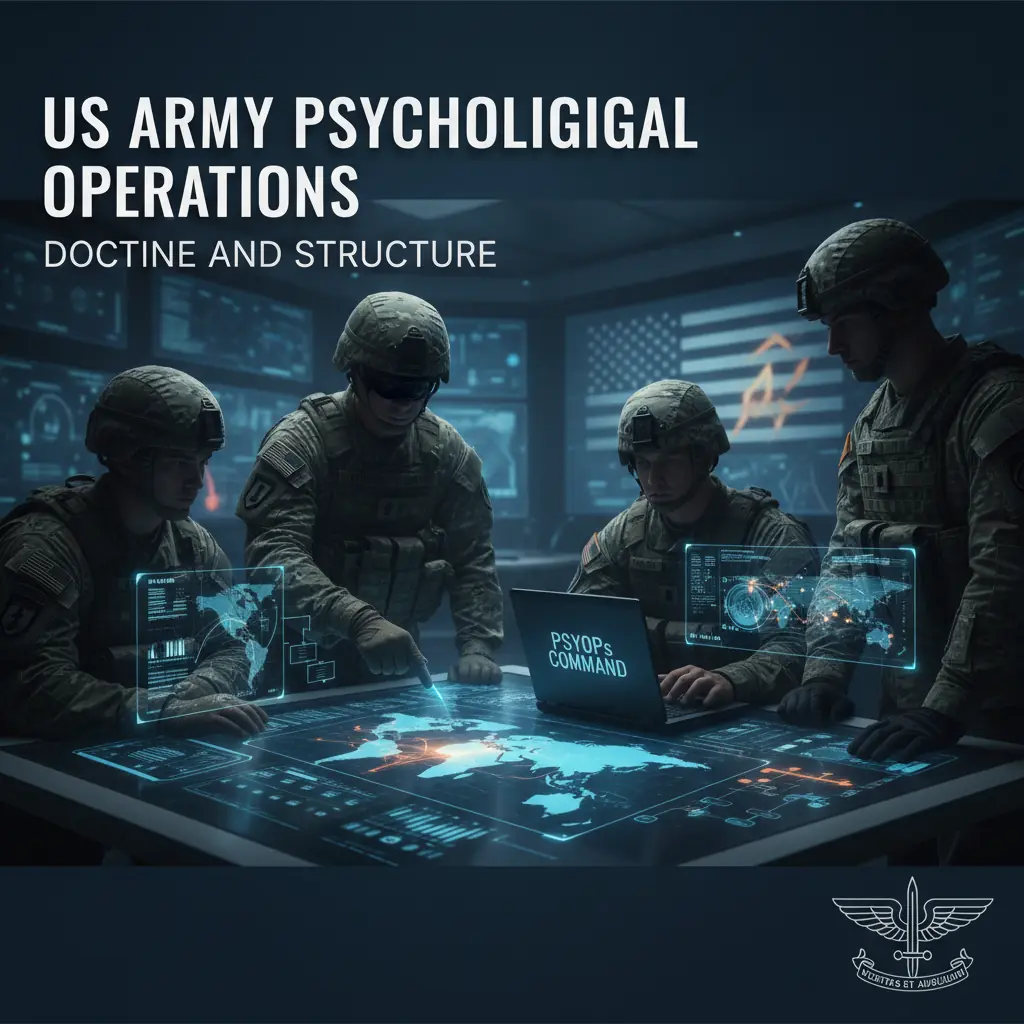
US Army PSYOP is among the most doctrinally developed influence capabilities in any military. Doctrinal sophistication, however, has not reliably translated into lasting behavioral influence.
We judge how likely something is by how easily examples come to mind. That shortcut makes risk perception predictable, and influence operations design for memorability rather than accuracy.
Maskirovka is not camouflage. It is a doctrine that weaves operational security, strategic misdirection and information warfare into a single campaign design, and Crimea in 2014 showed it working at the strategic level.
Between 2014 and 2024 the Internet Research Agency evolved from domestic test campaigns into a persistent, adaptive foreign influence capability. Each round of platform countermeasures produced subtler methods, not retreat.