Cognitive Defense
The brain as a target: understanding mental vulnerabilities
Cognitive warfare targets how people attend, remember and decide, not just what they believe. Understanding those processes is the starting point for any defense.
Platforms earn money by capturing attention, and the content that captures attention best is often emotional and divisive. That business model gives influence operations cheap reach and precise targeting.
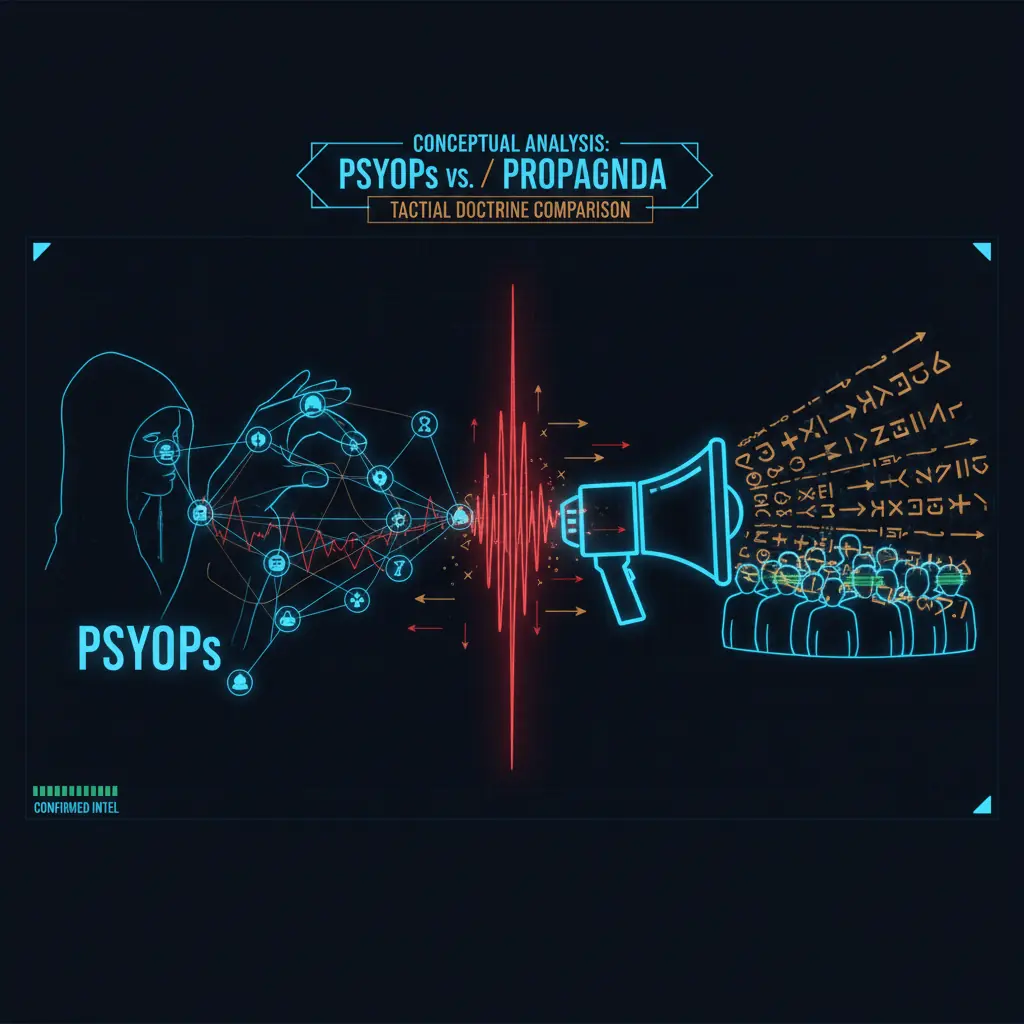
Psychological operations aim to change behavior; propaganda aims to shape attitudes and narratives. Digital platforms blur the line, and adversaries exploit that ambiguity.
The technology of propaganda has changed from leaflets to algorithms, but its psychological techniques have remained remarkably stable. What is new is how central it has become to strategic competition between states.
Viral hoaxes rarely come out of nowhere: they attach fabrications to real local tensions, are engineered to provoke anger and disgust, and spread through ordinary users who give their sponsors deniability.
Kevin Mitnick showed that the easiest way into a system is often through the people who run it. The techniques he described, pretexting and exploiting trust, now operate at the scale of state influence…
Recommendation systems do not distinguish extremist content from legitimate debate, and influence actors know how to exploit that. But the evidence on how far algorithms radicalize ordinary users is more mixed than often assumed.
Cognitive biases are shortcuts that let a costly brain make fast decisions with little effort. They cannot be trained away, so defense has to work with human cognition rather than against it.
Information warfare has moved from state-controlled broadcasting to the exploitation of platforms and individual psychology. Defenses built around specific techniques age quickly; resilience has to be general.