In modern military and security affairs, the distinction between peacetime and wartime has blurred. Adversaries conduct influence operations, disinformation campaigns, and cognitive warfare continuously — not only during declared conflicts but also during periods of nominal peace. In response, nations have developed formal doctrines and strategies to organize, resource, and execute cognitive defense and offensive information operations. These national frameworks determine how a country understands the threat, allocates responsibilities, coordinates across agencies, and measures success.
Understanding national doctrines and strategies is essential for defense professionals, policymakers, and analysts who wish to comprehend how different nations approach cognitive warfare — and how to develop or improve their own frameworks.
What Are National Doctrines and Strategies?
A national doctrine is a formal set of principles, concepts, and guidelines that inform how a nation’s military and security apparatus understands and conducts operations in a particular domain. Doctrines provide a common language, shared assumptions, and standardized procedures.
A national strategy is a higher-level document that integrates multiple instruments of national power — diplomatic, informational, military, economic, financial, intelligence, and legal (often abbreviated as DIMEFIL or MIDL) — to achieve specific objectives. Strategies address resource allocation, interagency coordination, and long-term goals.
In the context of cognitive warfare, doctrines and strategies address:
Threat assessment: How adversaries use information, psychology, and cognition as weapons
Organizational structure: Which agencies have lead responsibility and how they coordinate
Capabilities development: What tools, technologies, and training are required
Rules of engagement: Legal and ethical boundaries for information operations
Public communication: How to inform citizens without undermining trust or enabling adversaries
The Evolution of Cognitive Warfare Doctrine
Cognitive warfare did not emerge from nowhere. It evolved from earlier concepts:
Major military powers have recognized that cognitive warfare requires doctrinal evolution. The old model — a dedicated PSYOPS unit attached to conventional forces — is insufficient for threats that target civilian populations continuously across all digital platforms.
Case Studies: National Approaches to Cognitive Warfare Doctrine
United States
The United States has the most mature — though still evolving — cognitive warfare doctrine. Key documents include:
Joint Publication 3-13: Information Operations (2014, with ongoing updates): Establishes the framework for integrating information-related capabilities, including PSYOPS, military deception, operations security, electronic warfare, and cyberspace operations.
Department of Defense Directive 3600.01: Information Operations (2013): Assigns responsibilities and establishes policy for information operations across the Department of Defense.
Countering Disinformation and Malign Influence (various agencies): The State Department, USAID, and the Department of Homeland Security have developed frameworks for countering foreign disinformation targeting U.S. democratic processes.
Organizational structure:
U.S. Army 1st Information Operations Command (Land) : Supports Army and joint force information operations
4th Military Information Support Group (Airborne) : PSYOPS unit
Cyber Command: Defends against and conducts cyberspace operations, including information-related missions
State Department Global Engagement Center: Leads counterpropaganda and disinformation analysis
Department of Homeland Security Countering Foreign Interference Task Force: Protects election infrastructure and counters influence operations
Strengths: Extensive resources, interagency coordination mechanisms, legal framework for information operations.
Weaknesses: Fragmented authority, civil liberties concerns, reactive rather than proactive posture, challenges coordinating across military and civilian agencies.
Russia
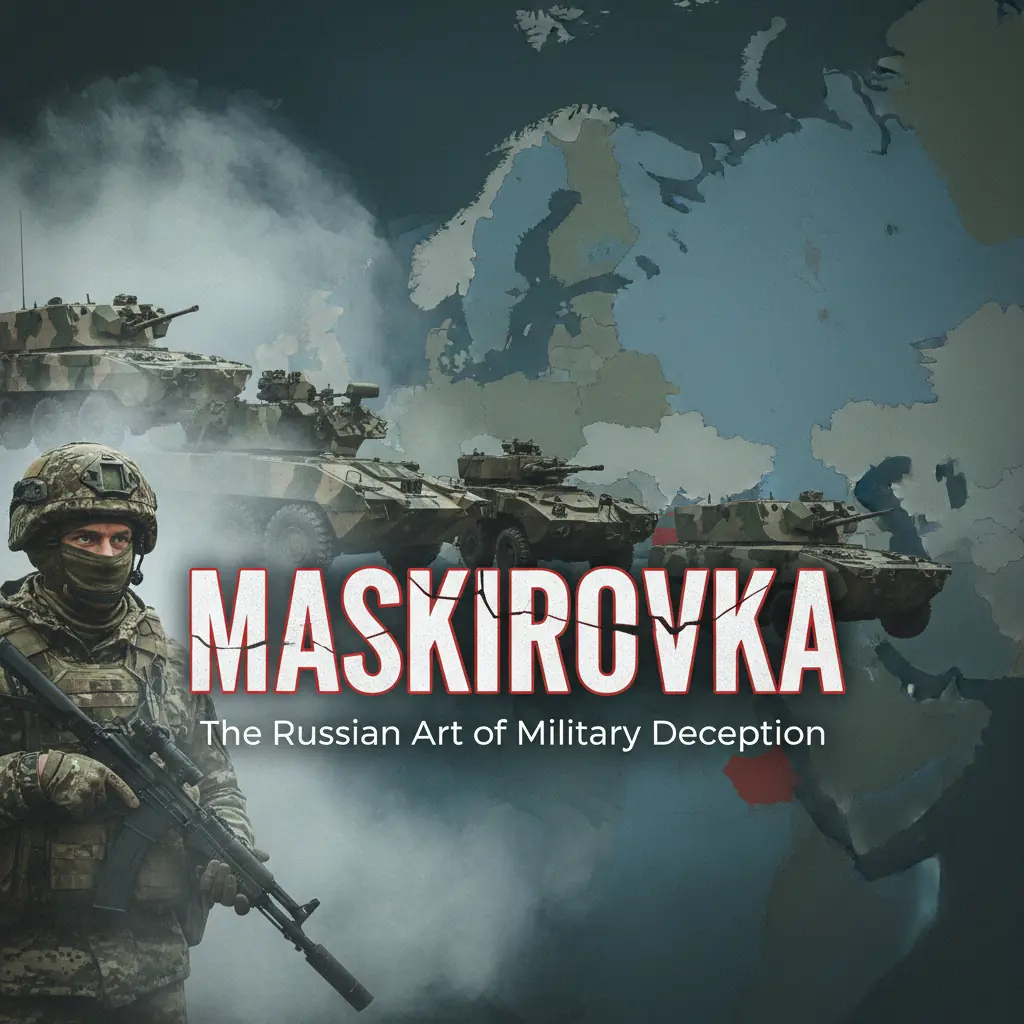
Russia approaches cognitive warfare differently — not as a separate domain but as an integrated component of hybrid warfare or political warfare. Key concepts include:
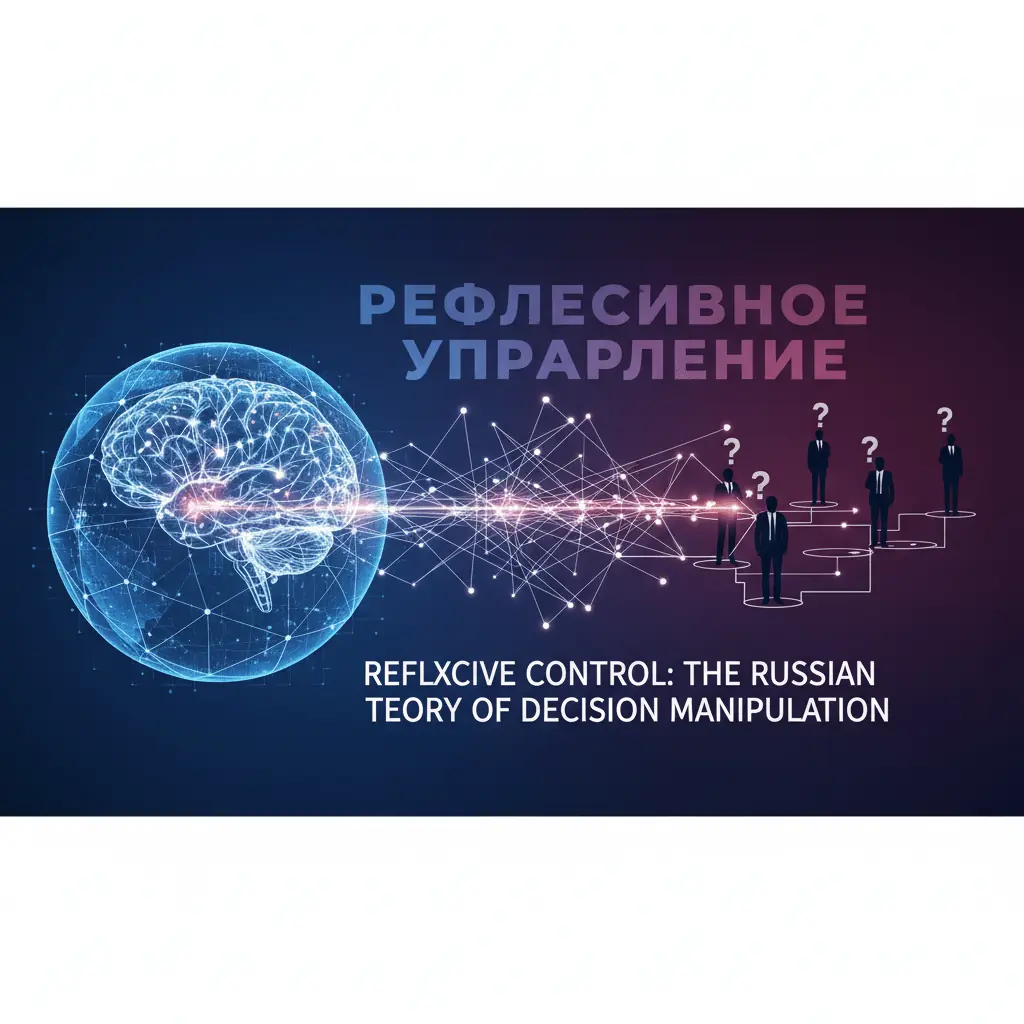
Reflexive Control: A theory of influencing an adversary’s decision-making by feeding them information that causes them to voluntarily make decisions favorable to the influencer. The target believes the decision is their own.
Active Measures (Aktivnyye meropriyatiya): A Soviet-era concept revived and modernized for the digital age. Active measures include forgeries, false flag operations, agent of influence recruitment, and disinformation dissemination.
Information Confrontation (Informatsionnoye protivoborstvo): The Russian framing of information operations as continuous competition, not episodic conflict.
Organizational structure:
Main Directorate of the General Staff (GRU) : Military intelligence; conducts cyber and influence operations (e.g., Internet Research Agency, Fancy Bear)
Foreign Intelligence Service (SVR) : Civilian foreign intelligence; conducts traditional and digital influence
Federal Security Service (FSB) : Domestic and regional influence operations
Strengths: Doctrinal coherence (information confrontation as continuous), willingness to operate in grey zones, integration of cyber and influence capabilities, patience and long-term planning.
Weaknesses: Exposed operations (attribution increasingly successful), blowback risks, reliance on deniable proxies that may be unreliable.
China
China’s approach to cognitive warfare is embedded within broader concepts of integrated strategic deterrence and political warfare. Key frameworks include:
Three Warfares: A doctrine articulated in Chinese military writings:
Public opinion warfare (yulun zhan): Shaping domestic and international perceptions
Psychological warfare (xinli zhan): Targeting adversary morale and decision-making
Legal warfare (falu zhan): Using international law and legal processes to constrain adversaries
Active Defense: A strategic concept that justifies preemptive and continuous information operations to defend against perceived threats.
The “Wolf Warrior” Diplomacy Shift: A more assertive, confrontational approach to international information competition.
Organizational structure:
People’s Liberation Army Strategic Support Force (PLA SSF) : Integrates space, cyber, and electronic warfare capabilities
Ministry of State Security (MSS) : Civilian intelligence; conducts influence and disinformation operations
International Department of the Communist Party Central Committee (IDCPC) : Engages with foreign political parties and organizations
State-controlled media: Xinhua, CGTN, People’s Daily, and the Global Times serve as instruments of strategic communication
Strengths: Integration of state and party apparatus, long-term strategic patience, massive scale of information operations, control of domestic information environment.
Weaknesses: Limited credibility outside authoritarian-aligned audiences, difficulty tailoring messages to Western audiences, exposure of operations through academic and intelligence community research.
European Union and NATO
The EU and NATO have developed cognitive warfare frameworks that emphasize resilience, democratic values, and civil-military coordination.
NATO Strategic Communications (StratCom) Centre of Excellence (Riga, Latvia): Research, doctrine development, and training for strategic communications, including countering disinformation.
NATO Counter-Hybrid Warfare Cell: Coordinates responses to hybrid threats, including cognitive warfare.
EU East StratCom Task Force: Countering Russian disinformation targeting EU member states.
EU Digital Services Act (DSA) : Regulatory framework requiring platforms to address disinformation, increase transparency, and protect users.
Strengths: Multinational coordination, democratic legitimacy, civil society engagement, regulatory tools.
Weaknesses: Bureaucratic complexity, slower decision-making, member state disagreements, limited offensive capabilities.
Key Components of a National Cognitive Warfare Doctrine
Regardless of national context, effective cognitive warfare doctrines share common components:
1. Shared Definitions and Frameworks
A doctrine must define key terms: cognitive warfare, disinformation, influence operations, active measures, reflexive control. Without shared definitions, interagency coordination fails, and capabilities are misapplied.
2. Threat Assessment
Continuous, unclassified, and classified threat assessments identifying:
Adversary capabilities and tactics
Vulnerable populations and sectors
Emerging technologies (AI-generated content, deepfakes, bot networks)
Indicators of ongoing influence operations
3. Organizational Structure
Clear assignment of lead responsibility and coordination mechanisms:
Which agency leads cognitive defense? (State, Defense, Homeland, Intelligence?)
How do military and civilian agencies coordinate?
What is the role of allied nations and international organizations?
How is information shared with private sector platforms?
4. Capabilities Development
Investment in:
Detection: Technical tools for identifying disinformation, bot networks, deepfakes
Analysis: Open-source intelligence (OSINT) and classified analysis of adversary operations
Countermeasures: Rapid debunking, pre-bunking (inoculation), strategic communication
Resilience: Public education, media literacy, mental health support for targeted populations
Offensive capabilities: Legal, diplomatic, and (in military contexts) information operations
5. Legal and Ethical Framework
Cognitive warfare operates in legal grey zones. Doctrines must address:
Domestic legal authorities (e.g., can the military operate inside the homeland?)
International law (Geneva Conventions, law of armed conflict)
Civil liberties (free speech, privacy, political association)
Attribution and response thresholds (when does influence become attack?)
6. Public Communication Strategy
How does the government inform citizens about cognitive threats without:
Undermining trust in democratic institutions?
Amplifying adversary narratives?
Creating panic or paralysis?
Effective doctrines include pre-planned public communication protocols, trusted messenger networks, and transparency mechanisms.
7. Measurement and Assessment
How does the nation know if its cognitive warfare strategy is working? Metrics may include:
Reduction in spread of known disinformation
Increased public resilience (measured through surveys)
Attribution and disruption of adversary operations
Protection of election integrity
Developing a National Strategy: Recommended Framework
For nations developing or improving cognitive warfare strategies, the following framework is recommended:
Phase 1: Assessment (3-6 months)
Map adversary cognitive warfare capabilities and ongoing operations
Identify national vulnerabilities (societal divisions, media trust levels, digital literacy)
Audit existing legal authorities and organizational responsibilities
Phase 2: Strategy Development (6-12 months)
Define national objectives (defense vs. offense, domestic vs. international)
Allocate budget and resources
Establish interagency coordination mechanisms
Develop legal and ethical guidelines
Phase 3: Capability Building (12-36 months)
Invest in detection and analysis tools
Train personnel across military, intelligence, law enforcement, and civilian agencies
Develop public education and media literacy programs
Establish international partnerships
Phase 4: Continuous Operations
Monitor adversary operations
Conduct rapid response to emerging threats
Exercise and update plans
Assess effectiveness and adapt
Conclusion
National doctrines and strategies for cognitive warfare are still evolving. The United States, Russia, China, and European nations have developed distinct approaches reflecting their political systems, threat perceptions, and available resources. What is clear is that cognitive warfare is not a temporary phenomenon or a niche capability. It is a permanent feature of the 21st-century security environment.
Nations that fail to develop coherent doctrines will be perpetually reactive, constantly surprised, and systematically vulnerable. Nations that develop effective frameworks — clear definitions, integrated organization, appropriate capabilities, legal boundaries, and public communication strategies — will be positioned to defend their populations, protect their democratic processes, and compete effectively in the cognitive domain.
The battle for minds has always been part of conflict. What has changed is the scale, speed, and sophistication of the tools available to adversaries. National doctrines and strategies are how organized societies respond to this new reality.