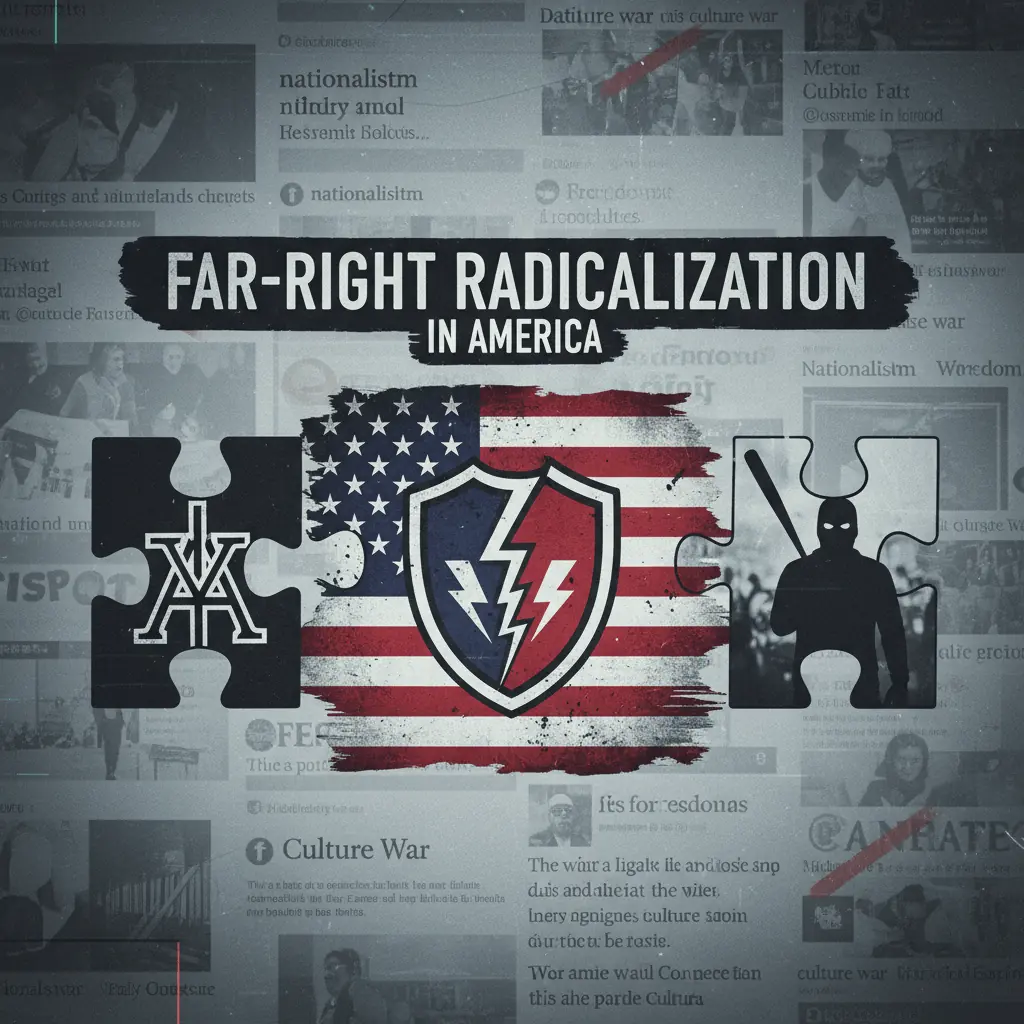
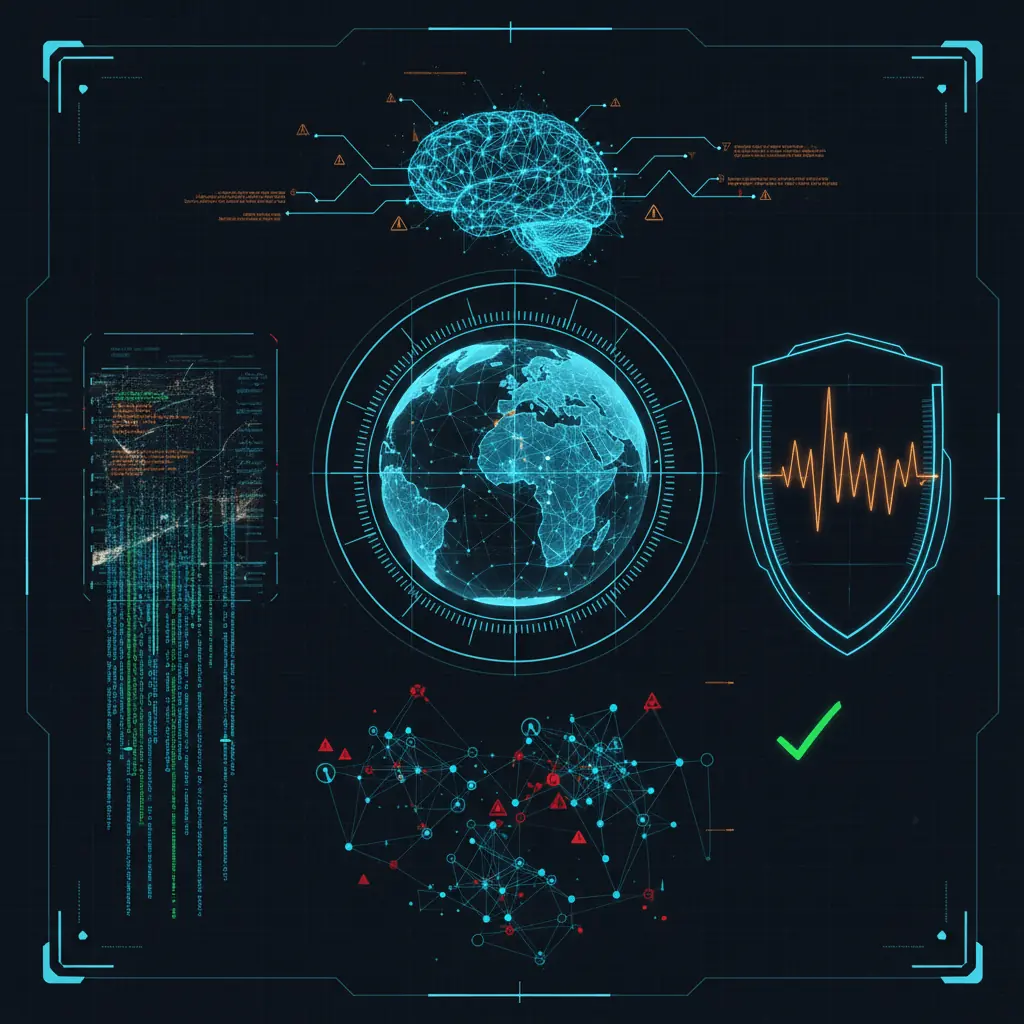
Online radicalization is one of the most urgent security threats of the 21st century. Unlike traditional radicalization, which occurred in physical spaces — mosques, community centers, prisons, universities — online radicalization occurs in algorithmic feeds, encrypted messaging apps, gaming platforms, and niche forums. The same technologies that connect friends and facilitate commerce also enable extremist recruiters to identify, groom, and mobilize vulnerable individuals at unprecedented speed and scale.
For military and defense professionals, understanding online radicalization is essential not only for counterterrorism but also for force protection, domestic security, and cognitive warfare. Adversary nations, terrorist organizations, and extremist movements have all recognized that recruiting a single motivated individual online can be more effective than deploying a conventional military unit.
What Is Online Radicalization?
Online radicalization is the process by which an individual adopts increasingly extreme political, religious, or ideological beliefs through exposure to digital content and online social networks, potentially culminating in support for or participation in violent extremism. Unlike sudden conversion, radicalization is typically gradual, progressing through identifiable stages as the individual’s worldview narrows, outgroup hostility increases, and violence becomes perceived as legitimate or necessary.
Key characteristics of online radicalization include:
Algorithmic amplification: Recommendation engines promote increasingly extreme content to maximize engagement
Echo chambers and filter bubbles: Individuals are insulated from dissenting views
Anonymity and pseudonymity: Recruiters can operate without revealing identity
Scale and speed: Thousands can be exposed to radical content simultaneously
Cross-platform movement: Individuals migrate from mainstream platforms to encrypted or niche spaces as their beliefs intensify
Peer validation: Online communities reward extreme statements and punish moderation
The Online Radicalization Pipeline
Radicalization is rarely a straight line. However, defense and intelligence analysts have identified a common pipeline with distinct phases:
Phase 1: Exposure and Targeting
The individual encounters extremist content, often through:
Algorithmic recommendations after consuming mildly provocative content
Targeted advertising by extremist groups using platform analytics
Friends or family members sharing radical material
Gaming platforms where extremist recruiters host servers
Mainstream platforms where extremist content is camouflaged (memes, coded language)
Vulnerability factors: Identity crisis, perceived injustice, social isolation, mental health struggles, recent grievance, desire for purpose or belonging.
Phase 2: Engagement and Grooming
The individual begins actively consuming extremist content and interacting with the radical community. Tactics include:
Love bombing: Recruiters provide intense attention, validation, and friendship
Crisis exploitation: Framing personal grievances as symptoms of a larger conspiracy
Us-versus-them framing: Simplifying complex issues into good versus evil
Gradual exposure: Starting with moderate claims, slowly introducing more extreme ideas
Secrecy bonding: Sharing “forbidden” knowledge creates trust and commitment
Digital indicators: Joining extremist forums, following radical influencers, using encrypted messaging for political discussions, creating secondary accounts.
Phase 3: Group Identification
The individual adopts the extremist group’s identity, language, and worldview. Outsiders become enemies. Dissent within the group is punished. The individual may:
Adopt group-specific symbols, slogans, or memes
Sever ties with non-radicalized friends and family
Increase time spent in radical online spaces
Begin consuming “martyrdom” or “heroic violence” narratives
Phase 4: Action Mobilization
The individual moves from belief to action. This may include:
Material support: Donating cryptocurrency, sharing propaganda, providing logistical support
Lone actor planning: Preparing for an attack without direct group coordination
Travel: Attempting to join a foreign terrorist organization
Recruitment: Radicalizing others online or in person
Defense priority: Early intervention during Phases 1-3 prevents Phase 4. Once mobilization begins, intervention becomes dramatically more difficult and dangerous.
Actors in Online Radicalization
Violent Extremist Organizations
Jihadist groups (ISIS, Al-Qaeda): Use Telegram, Rocket.Chat, and decentralized social media for propaganda, recruitment, and attack planning
White supremacist and neo-Nazi groups: Active on platforms like Telegram, Discord, Gab, and 4chan; use memes and gaming culture for recruitment
Far-left extremist groups: Anarchist, anti-fascist, and revolutionary cells using encrypted platforms for coordination
Single-issue extremists: Anti-government, anti-abortion, eco-extremist, and sovereign citizen movements
State-Sponsored Radicalization
Adversary nations increasingly use online radicalization as a form of asymmetric warfare:
Weaponized polarization: Amplifying extreme voices on both sides of social issues to destabilize adversarial societies
Fake grassroots movements: Creating or co-opting seemingly organic extremist groups
Radicalization as distraction: Online extremism consumes security resources that could otherwise counter state intelligence operations
Algorithmic Amplification
Platform algorithms are not neutral. Research has demonstrated that:
YouTube’s recommendation engine historically promoted increasingly extreme political content
Facebook’s engagement optimization favors outrage and sensationalism
TikTok’s “For You” page can rapidly expose users to radical content
X (Twitter) algorithm changes have amplified extremist accounts
While platforms have implemented countermeasures, the underlying economic incentive — engagement maximizes advertising revenue — remains in tension with radicalization prevention.
Tactics and Techniques of Online Radicalization
Memetic Warfare
Memes are not trivial. Extremists use humor, irony, and cultural references to:
Normalize extremist ideas through repetition
Create in-group bonding through shared jokes
Recruit young people who perceive memes as “just humor”
Launder extremist symbols into mainstream visibility
Gaming Platform Recruitment
Extremists recruit on Minecraft, Roblox, Discord voice channels, Steam, and Twitch. Tactics include:
Hosting game servers with radical themes
Using voice chat to build personal relationships
Targeting young players (adolescents and teenagers)
Moving conversations from public servers to private groups
Encrypted Messaging
Telegram, Signal, and WhatsApp enable:
Private, unmonitored communication
Rapid dissemination of attack manuals
Coordination of real-world actions
Resilient networks that survive platform bans
Algorithmic Exploitation
Extremists study platform algorithms and:
Use high-engagement emotional content (rage, fear, outrage)
Post at optimal times for algorithm promotion
Manufacture engagement using bots and coordinated accounts
Test content variations to maximize algorithmic reach
Detection and Intervention: Defense Strategies
Technical Detection
Natural language processing (NLP) to identify radicalizing language patterns
Network analysis to detect extremist clusters and influential nodes
Image and video hashing to identify known extremist content
Behavioral analytics to flag accounts exhibiting radicalization indicators
Intervention Approaches
Counter-Narratives and Alternative Content
Effective counter-radicalization requires more than takedowns. Credible, emotionally resonant alternative content must occupy the same digital spaces:
Former extremist testimonials (peer-to-peer credibility)
Positive identity alternatives (purpose, belonging, significance without violence)
Critical thinking content (inoculation against manipulation tactics)
Humor and memes (competing for cultural relevance)
Case Studies in Online Radicalization
ISIS (2012-2019)
ISIS revolutionized online radicalization with:
Professional-grade propaganda videos distributed via Twitter and Telegram
Decentralized “virtual entrepreneurs” who recruited independently
Detailed attack manuals shared in encrypted groups
A “bring your own platform” strategy that adapted to countermeasures
Christchurch (2019) and the “Echo” Effect
The Christchurch attacker livestreamed the attack, posted a manifesto on 8chan, and designed the content to go viral. The attack itself was a propaganda operation, intended to inspire copycats. The “Echo” phenomenon — live-streamed attacks designed for online amplification — has become a standard tactic for accelerationist extremists.
QAnon (2017-Present)
QAnon demonstrates radicalization without traditional extremist ideology. A decentralized conspiracy movement, QAnon radicalized hundreds of thousands through:
Puzzle-solving gamification (participants felt like investigators)
Community bonding (shared secret knowledge)
Escalating claims (from minor corruption to satanic cabals)
Real-world action (from online posting to Capitol storming)
Prevention and Resilience
Individual-Level Defenses
Digital literacy: Recognizing manipulation tactics, verification habits, source evaluation
Emotional regulation: Pausing before sharing outrage-provoking content
Diverse information diet: Following perspectives outside personal identity groups
Offline community: Real-world belonging reduces vulnerability to online recruitment
Community-Level Defenses
Trusted messenger programs: Training community leaders to recognize and intervene
School-based prevention: Critical thinking curricula; digital citizenship education
Family awareness: Educating parents about radicalization indicators
Mental health access: Addressing underlying vulnerabilities (depression, isolation, trauma)
National-Level Defenses
Multi-agency fusion centers: Intelligence sharing among law enforcement, military, mental health, and education
Public-private partnerships: Information sharing with social media platforms
Research investment: Understanding evolving radicalization tactics
Counterterrorism legislation: Balancing security with civil liberties
Conclusion
Online radicalization is not a peripheral cybersecurity concern. It is a central component of modern cognitive warfare. Adversary states, terrorist organizations, and extremist movements have all recognized that recruiting a single motivated individual online can be more effective than deploying a conventional military unit. The same algorithms that recommend videos and connect friends also amplify hate, conspiracy, and calls to violence.
Defense against online radicalization requires a whole-of-society approach: technical detection, content moderation, counter-narrative development, community resilience, mental health support, and individual digital literacy. No single intervention is sufficient. But combined, they can disrupt the pipeline from online exposure to real-world violence.
In cognitive warfare, the most important battlefield is the human mind — especially the minds of the young, the isolated, the aggrieved, and the searching. Protecting them from online radicalization is not only a security imperative. It is a moral one.